

CandidShutters Media

Visual Storytelling: The Strategic Growth Engine for Modern Brands

February 25, 2026 • Pranjal Kumar
Visual Storytelling for Brands 11

Visual Storytelling as a Business Imperative

Visual Storytelling is the art and science of conveying a narrative through visual media such as video, data visualization, immersive web experiences, and interactive design.

In a world where attention spans are shrinking and digital clutter is at an all-time high, storytelling through visuals has evolved from creative expression into a boardroom-level strategy.

The numbers explain why:

  • The human brain processes visuals 60,000 times faster than text (3M Corporation research).
  • Information retention increases from 10% to 65% when paired with imagery (Wharton School of Business).
  • 82% of marketers report positive ROI from visual storytelling (Wyzowl Video Marketing Survey).
  • Landing pages with video improve conversions by up to 86% (EyeView Digital).
  • Emotionally connected customers deliver 306% higher lifetime value (Motista).

For CEOs, CMOs, and founders, the mandate is clear: storytelling is no longer about aesthetics. It is about accelerating trust, comprehension, and decision-making.
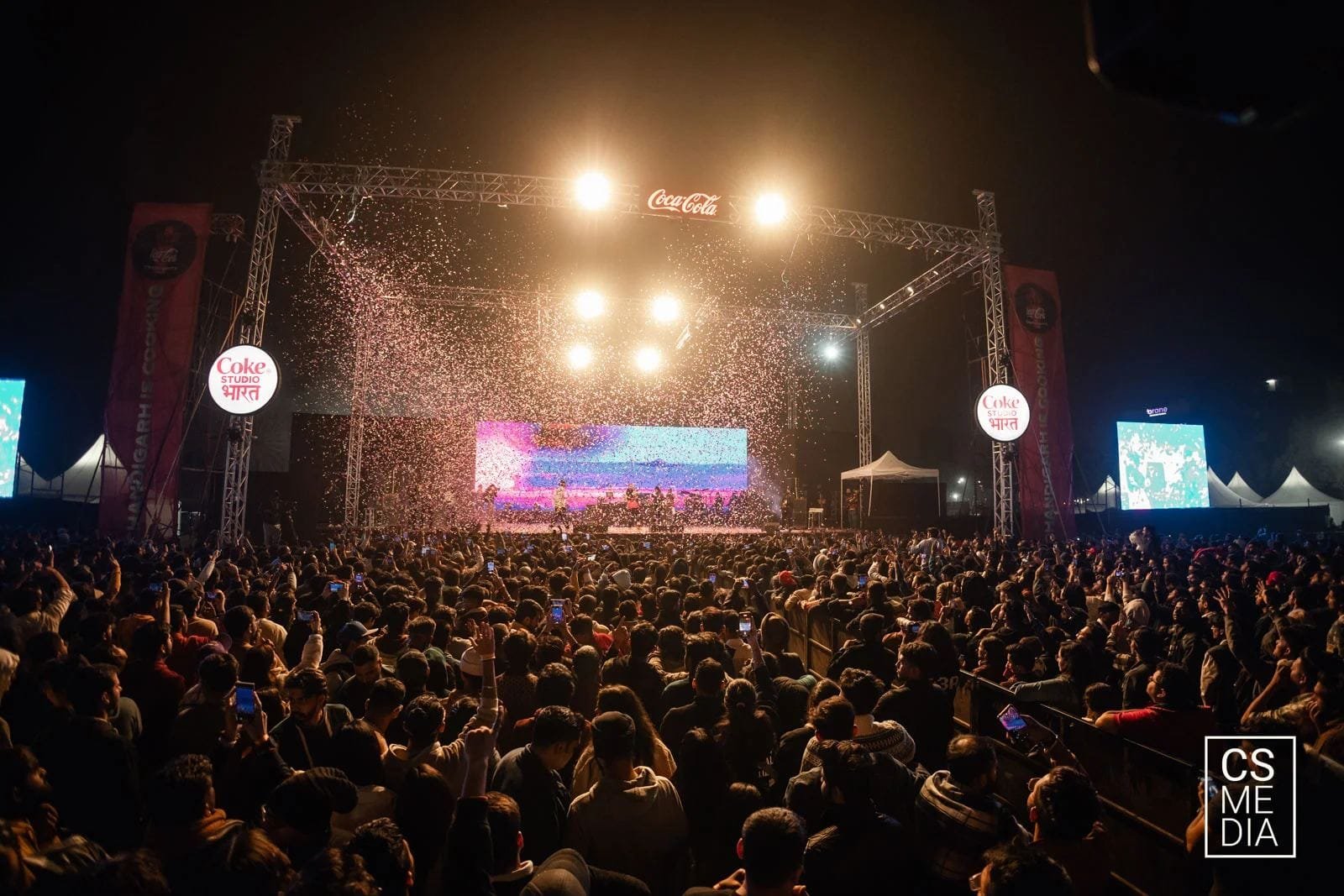
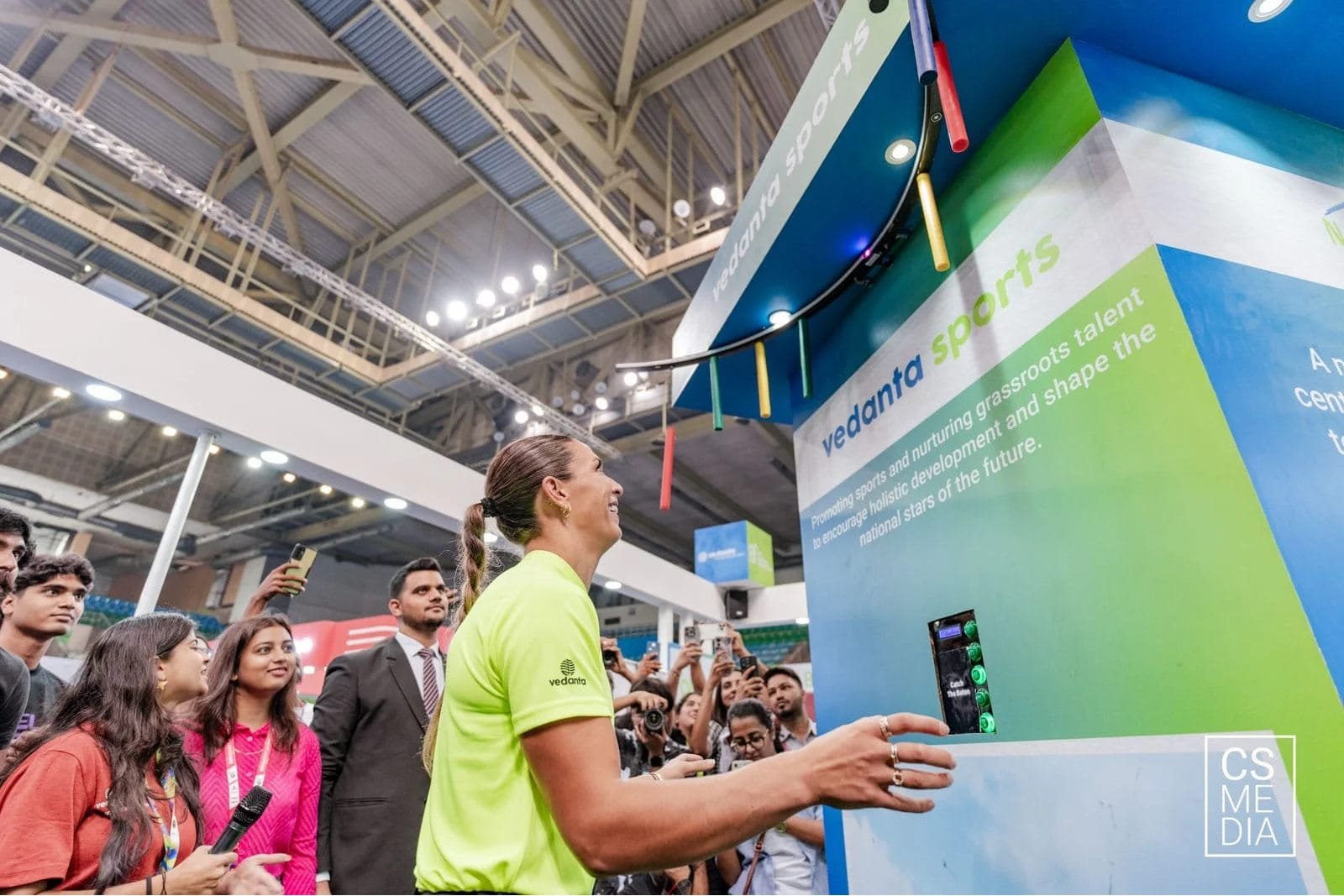
Why Visual Storytelling Works in Modern Enterprises

At its core, visual storytelling serves one strategic purpose: to bridge complex business offerings with human emotion.

  1. Accelerated Decision-Making
    In sectors such as AI, FinTech, SaaS, and automation, products are inherently complex. Visual narratives simplify these abstractions into intuitive mental models.
    Microsoft, for example, uses interactive infographics and animated explainer videos to show how AI improves patient outcomes in healthcare. Instead of selling algorithms, they show real-world transformation.
    This reduces cognitive load and allows stakeholders to grasp value in milliseconds.
  2. Emotional Brand Equity
    Rational features rarely build loyalty. Stories do.
    Nike consistently frames athletes through the lens of struggle and resilience, positioning the brand as a mentor rather than a vendor. Patagonia uses real employees in extreme environments to validate its sustainability mission. Zappos shares unscripted acts of employee kindness to reinforce its culture of service.
    These narratives turn brands into relatable partners rather than transactional suppliers.
  3. Measurable Business Outcomes
    Brands using storytelling outperform traditional marketing approaches:
  • Up to 30% higher customer retention
  • 23% higher revenue growth
  • 16% lift in brand recall
  • 2,706% increase in product perception (Nielsen Brand Lift Studies)
    This is why storytelling is now embedded across the entire funnel.

The Visual Storytelling Framework

High-performing brands follow a consistent narrative architecture often referred to as the Storytelling Pyramid:

Relatability (Base)
The story reflects the audience’s shared pain points, fears, or aspirations.

Conflict (Middle)
A clear business or human challenge is introduced.

Resolution (Peak)
The transformation is revealed. The “after” state becomes the emotional payoff.

This is the same structure used by Warby Parker to challenge expensive eyewear, by Nike to highlight athlete perseverance, and by Apple to make product exploration feel like discovery.

Types of Visual Storytelling and Their Corporate Use

TypeBusiness Outcome
Data StorytellingConverts complex data into persuasive, interactive insights
Mini-DocumentariesBuilds deep trust through authentic human transformation
ScrollytellingCreates immersive web experiences driven by user interaction
Short-Form (9:16)Captures attention on Reels, TikTok, and Shorts
AR/VR PreviewsLets customers experience products before purchase (e.g., IKEA room visualization)

The Modern Production Model

High-growth brands now follow a two-speed content strategy:

Pre-Production: Strategy First

  • Audience definition
  • Funnel stage mapping
  • Script and storyboard development
  • Visual planning

Production: Modular Shoots

One shoot. Multiple outputs.
Wide shots, medium shots, and close-ups are captured to repurpose content across platforms.

Post-Production: AI-Augmented Craft

  • AI-powered audio cleanup
  • Captioning and localization
  • Automated format adaptation
  • Human-led creative direction and ethical oversight

This allows brands to scale content without compromising quality.

Real-World Enterprise Thinking

  • Apple uses subtle motion design on product pages so users feel like they are “unfolding” the product as they scroll.
  • Pizza Hut transformed a viral AI parody into a real-world retail rebrand, turning a meme into a physical experience.
  • Patagonia validates its activism through employee-led photography in rugged environments.
  • Nike consistently builds hero journeys around struggle, not products.

Each of these companies treats storytelling as infrastructure, not marketing.

2026 Enterprise Trends

  • Show Your Work: Raw, unpolished creator-style content signals authenticity.
  • AI Collaboration: AI handles execution. Humans provide judgment and ethics.
  • Nostalgia Revival: Y2K and 90s aesthetics trigger emotional warmth.
  • Leanback Era: Episodic brand storytelling built for TV-scale consumption.
  • Shoppable Video: Narrative-driven commerce inside the video itself.
  • Immersive Tech: AR try-ons and VR showrooms become standard.
  • Sustainability Narratives: Transparent supply chain storytelling as a trust lever.

The Strategic Role of Visual Storytelling in 2026

The purpose of visual storytelling has evolved into a growth engine.

  • It captures attention in an 8-second attention economy
  • It simplifies enterprise-grade complexity
  • It builds emotional brand equity
  • It humanizes corporate identity
  • It drives measurable ROI

Companies are no longer just selling products.
They are hosting narratives.

Executive Perspective: Why Visual Storytelling Now Decides Market Leadership

At this point, the question is no longer whether Visual Storytelling works. The data, the market behaviour, and the global brand playbooks have already answered that.

The real question is whether your brand is still communicating like a vendor, or positioning itself like a category leader.

Every enterprise today is fighting the same battle:

  • Shorter attention spans
  • Higher buyer skepticism
  • Longer decision cycles
  • More stakeholders involved in every deal

In this environment, traditional brand communication fails because it talks at the audience. Visual Storytelling works because it pulls the audience into the narrative.

It turns:

  • Complex offerings into instantly understood value
  • Brand promises into lived experiences
  • Data into conviction
  • Products into belief systems

This is why Apple invests in motion-led product journeys.
Why Nike builds emotional universes around athletes.
Why Patagonia proves its mission visually, not verbally.
They are not selling features.
They are building trust at scale.
For leadership teams, Visual Storytelling is no longer a marketing tool.

It is a strategic lever for:

  • Faster decision-making
  • Higher brand recall
  • Stronger emotional equity
  • Better-qualified demand
  • Long-term customer loyalty

Brands that master this will dominate mindshare.
Brands that ignore it will slowly become invisible.

Leadership Mandate: Build a Brand People Believe In

If your organization is serious about growth, trust, and long-term relevance, Visual Storytelling must move from a creative experiment to a core business capability.

This is where execution matters.

CandidShutters Media partners with high-growth companies, founders, and enterprise leadership teams to design and produce Visual Storytelling ecosystems that drive real business outcomes. Not vanity metrics. Not short-term hype. But sustainable brand authority.

From strategic narrative design to cinematic production, modular content systems, immersive experiences, and data-driven storytelling frameworks, CandidShutters Media builds brand stories that decision-makers remember, trust, and act on.

If your brand is ready to:

  • Command attention in saturated markets
  • Build emotional credibility with your buyers
  • Simplify complex offerings at scale
  • Turn storytelling into a growth engine

Then the next move is simple.
Build your Visual Storytelling strategy with CandidShutters Media.
Because in today’s market, the brands that win are not the ones that talk the most.
They are the ones people believe.

FAQ's

1. What is visual storytelling in branding, and why does it matter today?
Visual storytelling is the use of photos, videos, and design to communicate your brand’s message in a more engaging, human way. It matters because people process visuals faster than text and remember them longer, making your brand more memorable and impactful in a crowded digital space.

2. How does visual storytelling help brands grow faster?
It helps brands grow by building emotional connections, increasing engagement, and improving recall. When people feel something through your content, they’re more likely to trust you, remember you, and eventually choose you over competitors.

3. What type of visual content works best for brand storytelling?
The most effective formats include real-event photography, behind-the-scenes visuals, brand films, and short-form videos. Authentic, human-centric visuals tend to perform best because they feel relatable and build trust faster than overly polished or generic content.

4. Can visual storytelling improve conversions and business results?
Yes, significantly. Visual content not only grabs attention but also simplifies complex messages and influences decision-making. People are far more likely to act when they understand and emotionally connect with what they see.

5. How can brands use visual storytelling in corporate events and marketing?
Brands can use it by documenting real moments – like conferences, leadership interactions, team culture, and client experiences and turning them into compelling visual narratives. This kind of content builds authority, showcases credibility, and creates long-term brand value beyond the event itself.

Pranjal Kumar

About the author

Pranjal Kumar

Creative Lead and Director at CandidShutters Media, Pranjal Kumar transforms raw, reality-based documentation into cinematic excellence. He leverages a strategic background to help corporate clients translate complex brand stories into high-impact, unfiltered narratives. Whether orchestrating nationwide initiatives or high-stakes organizational storytelling, he is dedicated to capturing the human connection behind every business objective.

Last updated on March 27th, 2026 at 03:05 pm

Welcome to CandidShutters Media.

We are your one stop solutions provider for corporate photography and videography, brand films, corporate documentaries, employer branding photography, testimonial videos, corporate event photography, csr photography and all brand engagement content generation.

We are based in Gurgaon (Delhi NCR) and Mumbai but are available for assignments world over.