Social Impact Video Production as a Strategic Business Asset
One CSR film is a compliance signal. A social impact video production system is a credibility asset.
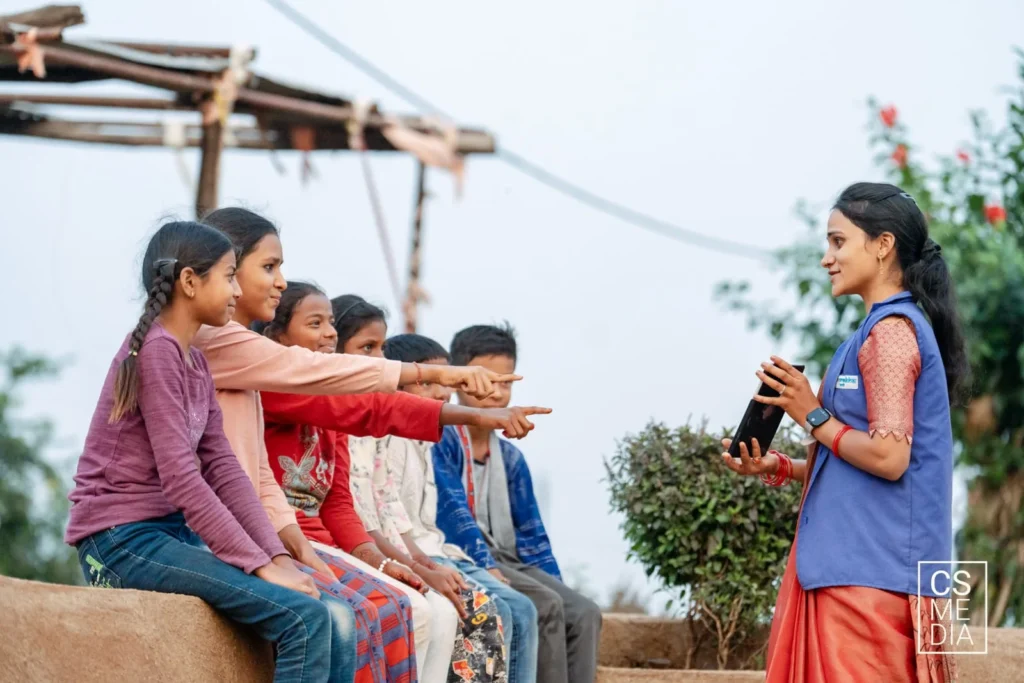
There is a significant difference between commissioning a CSR film and building a social impact video production system.
A CSR film is a project. It has a brief, a shoot date, a delivery date and a distribution moment. It serves its purpose and then it ages. By the next reporting cycle, it is last year’s film.
A social impact video production system is an organisational capability. It produces continuous, credible documentation of impact across programmes, geographies and stakeholders at a cost structure that compounds over time rather than resetting with each commission.
The organisations building genuine ESG credibility, attracting purpose-driven talent and earning institutional investor trust in 2026 are not the ones that made one excellent CSR film. They are the ones that made impact documentation a standing function, as structured as their sustainability reporting and as consistent as their investor communications.
This blog covers how that system works: the production standards that make it credible, the content architecture that makes it efficient and what it looks like when built properly.
Why One Film Is Never Enough
The trust that social impact video production builds does not come from a single film. It comes from consistency.
A company that releases one CSR documentary every three years signals that impact communication is a periodic obligation, something triggered by reporting cycles rather than embedded in operational culture. Stakeholders, particularly institutional investors and senior talent, read that signal accurately.
A company that documents its programmes continuously, through field visits, mid-programme updates, outcome documentation and beneficiary follow-ups, signals that the work is real, ongoing and worth showing. That signal compounds over time.
Two structural forces make continuity non-negotiable.
The first is regulatory. SEBI’s BRSR framework requires the top 1,000 listed companies to disclose ESG performance annually. Section 135 of the Companies Act mandates CSR spend for qualifying companies every financial year. Annual obligations require annual documentation. A single film cannot serve multiple reporting cycles credibly. For the full regulatory context, the qualifying thresholds and what BRSR specifically requires, see What Is a CSR Film and Why It Matters in 2026.
The second is evidentiary. The most credible social impact documentation does not show a finished outcome. It shows a trajectory. The problem the programme was designed to address, the intervention in progress, the early results, the complications encountered and the long-term change. That kind of storytelling requires multiple touchpoints across the life of a programme. A single film produced at the end of a multi-year initiative can only show the conclusion. It cannot show the work.
What Makes Social Impact Video Production Credible
The difference between social impact video that builds institutional trust and social impact video that reads as corporate performance is not budget. It is production philosophy and the decisions made before a camera is raised.
Narrative Clarity Before Location
The most common failure in CSR video production happens at the brief stage. Organisations arrive at a location with a list of programme pillars and a desire to document everything. The result is footage that covers a great deal and communicates very little.
Credible social impact video production begins with one question answered precisely: what is the single human truth this film should leave the viewer with? From that anchor, every production decision, who to film, where, in what sequence, follows with clarity. Without it, even technically excellent footage produces a film that an experienced viewer will immediately identify as a corporate exercise rather than a documentary record.
Documentary Standards Over Commercial Aesthetics
Social impact video produced to commercial advertising standards reads as commercial advertising. The colour grading, the pacing, the music choices, the polished transitions: all of these signal that the content was designed to impress rather than to document. Institutional investors, ESG analysts and experienced donor audiences identify this register immediately and discount the content accordingly.
Documentary standards mean natural colour grading, ambient sound preserved rather than replaced, unscripted participant testimony and the willingness to leave in the moments of hesitation, complexity and imperfection that signal a real story rather than a produced one. These are not lower standards. They are the appropriate standards for the audience and the purpose.
Small Crews, Real Environments
A large production crew changes the environment it enters. Community members, programme participants and beneficiaries behave differently when surrounded by equipment and personnel. The interactions that make social impact video credible, the unmanaged expressions, the specific details that only emerge in genuine conversation, the unrehearsed moments of engagement, stop happening when the crew becomes a presence rather than an observer.
Two-person crews with documentary-appropriate equipment produce footage that larger crews cannot. Not because of technical capability but because of what they allow to happen in front of the camera.
Informed Consent as Production Infrastructure
Informed consent is not a compliance checkbox. It is a production standard that directly affects the quality and credibility of the footage.
Participants who understand what they are participating in, where the footage will be used and who will see it engage with the camera differently from participants who feel observed or obligated. The testimony that emerges from a genuinely consented conversation carries a specificity and emotional honesty that directed or pressured testimony cannot replicate. For every participant: explain the purpose, explain the distribution, give a genuine choice. The footage that results will show the difference.
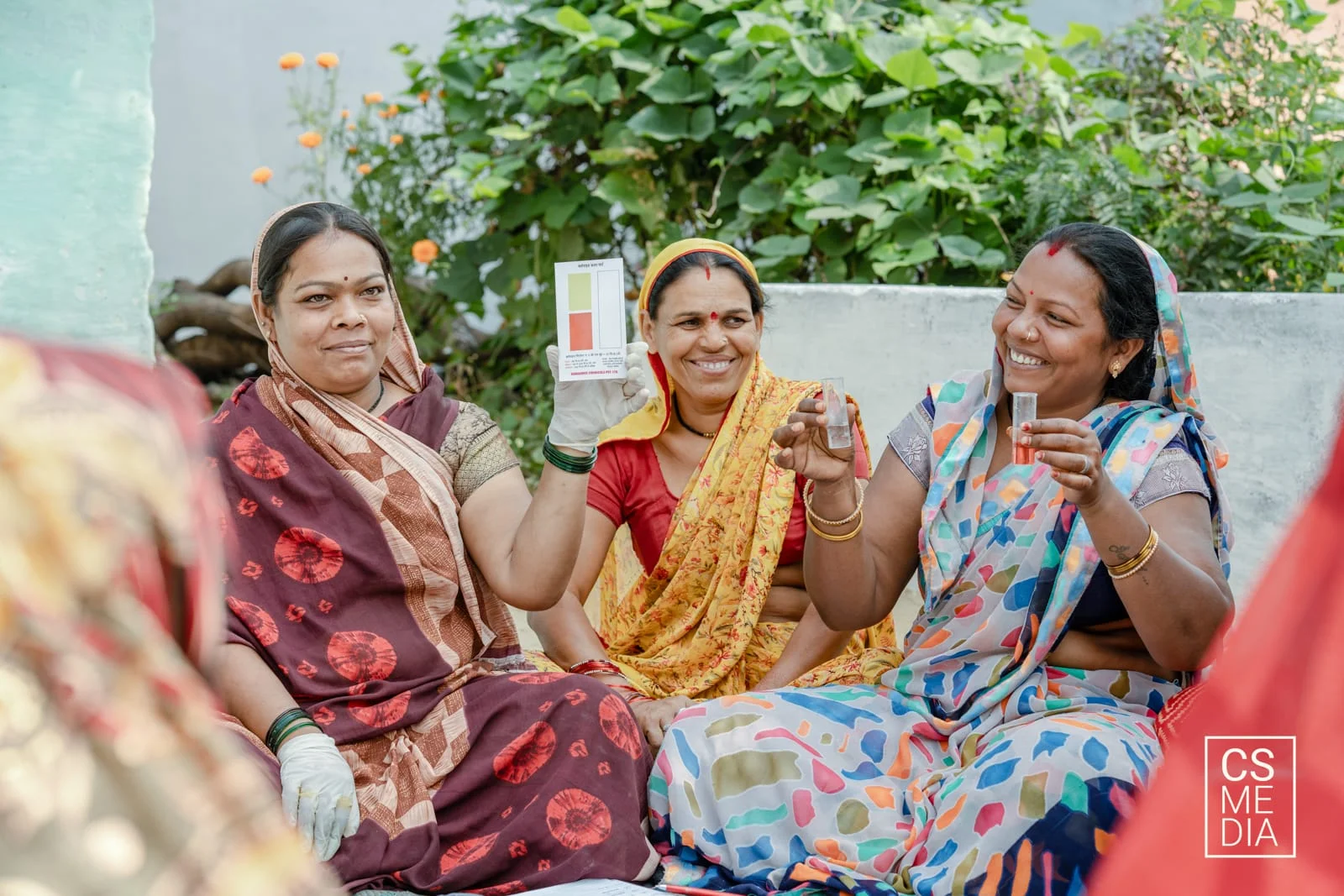
The Content Architecture: One Shoot, Multiple Assets
The most significant operational inefficiency in how most organisations approach social impact video production is treating each production as a standalone project. One brief, one shoot, one deliverable, one distribution moment.
This model is expensive per asset, inflexible across channels and produces content that ages quickly.
The alternative is structured from the brief stage to produce multiple assets from a single production investment.
The Waterfall Model
A single social impact video production, one field visit with a two-person crew over two days, can produce the following asset library when planned correctly from the start.
The flagship documentary of four to six minutes: the primary long-form asset built for the sustainability page, the annual report embed and investor presentations. This carries the full narrative arc.
The BRSR and annual report version of two to three minutes: a structured, outcome-focused edit for board and investor audiences, embedded in the digital annual report and linked from the BRSR disclosure section.
The LinkedIn and YouTube cut of 60 to 90 seconds: platform-native, optimised for silent viewing, designed for the first three seconds to stop the scroll.
The Instagram Reels and YouTube Shorts version of 30 to 45 seconds: a single moment or single voice from the full documentary, used for ongoing programme visibility between major reporting cycles.
Internal communication assets of two to three minutes: the same footage edited for employee audiences at town halls, onboarding and leadership communication.
The still photography bank: shot simultaneously during the documentary production, providing a library of contextually accurate images for the sustainability report, annual report design, LinkedIn posts and press materials at no additional location cost.
The total production investment for this asset library, when planned correctly from the brief stage, is approximately one and a half times the cost of the flagship documentary alone. Commissioning each asset separately would cost six to eight times that figure.
The Retainer Model
Organisations running multi-year CSR programmes have communication needs that a project-based production model cannot serve efficiently.
A standing production arrangement provides consistent visual language across all documentation. When the same production partner documents a programme across multiple visits over multiple years, the footage has visual continuity that fragmented production across different vendors cannot achieve.
It also provides real-time documentation capability. Programmes develop in ways that annual visits cannot capture. Unexpected outcomes, mid-programme pivots, community responses that were not anticipated at the brief stage: these are the moments that make impact documentation compelling. A standing arrangement allows organisations to document these moments as they happen.
What This Looks Like in Practice
HUL Prabhat: Waterfall Production Across Four States
The HUL Prabhat documentary is the clearest example of what a waterfall-model social impact video production looks like at enterprise scale.
One production brief. One two-person crew. Four states, Punjab, Uttar Pradesh, Madhya Pradesh and Andhra Pradesh, covered in fifteen days. From that single shoot, the footage was structured to serve multiple simultaneous functions: a flagship documentary for sustainability communication, a BRSR-aligned evidence layer for investor and audit audiences and an internal asset for the CSR and sustainability teams’ own reporting cycles.
No separate briefs. No separate location visits. No separate post-production pipelines. The multi-asset output was built into the production architecture from the brief stage.
Watch the HUL Prabhat Social Impact Documentary
For the full account of what the film documents and how it was made, see What Is a CSR Film and Why It Matters in 2026.
Archies Adopt a Mother: Multi-Year Asset Value
The Archies Adopt a Mother film demonstrates the long-term asset value that dignity-first, unscripted social impact video production creates when built with distribution longevity in mind.
The film was produced once. It has since been used across Archies’ sustainability page, annual CSR reporting, public-facing brand channels and social media across multiple years and multiple reporting cycles. That sustained utility is not accidental. It is the result of production decisions made at the brief stage: real participants, no scripting, no staging, no aesthetic choices that date the footage to a specific campaign moment.
A film built for one campaign moment ages when the campaign ends. A film built for documentary truth remains usable for as long as the programme it documents is running.
Social Impact Video as a Governance Asset
For boards, CFOs and legal teams at listed companies, social impact video production has become relevant beyond the communications function.
Visual documentation of CSR programmes provides auditors with evidence that activities disclosed in BRSR and sustainability reports actually occurred. Written reports can be retrospectively constructed. Documentary video footage shot on location, with real participants and real environments, provides a category of evidence that is significantly harder to fabricate and significantly more credible to auditors reviewing third-party assurance requirements.
Organisations with an ongoing archive of authentic impact documentation also have a credibility reserve to draw on when reputational challenges arise. An organisation that has never documented its CSR work has no visual evidence to counter allegations of greenwashing or stakeholder neglect. Consistent documentation is a pre-crisis trust buffer, not a post-crisis response tool.
In a content environment increasingly saturated with AI-generated imagery and synthetic video, human-made documentary footage of real people in real locations carries a provenance signal that institutional investors and regulators are beginning to evaluate explicitly. The origin and authenticity of content is becoming a trust signal in its own right.
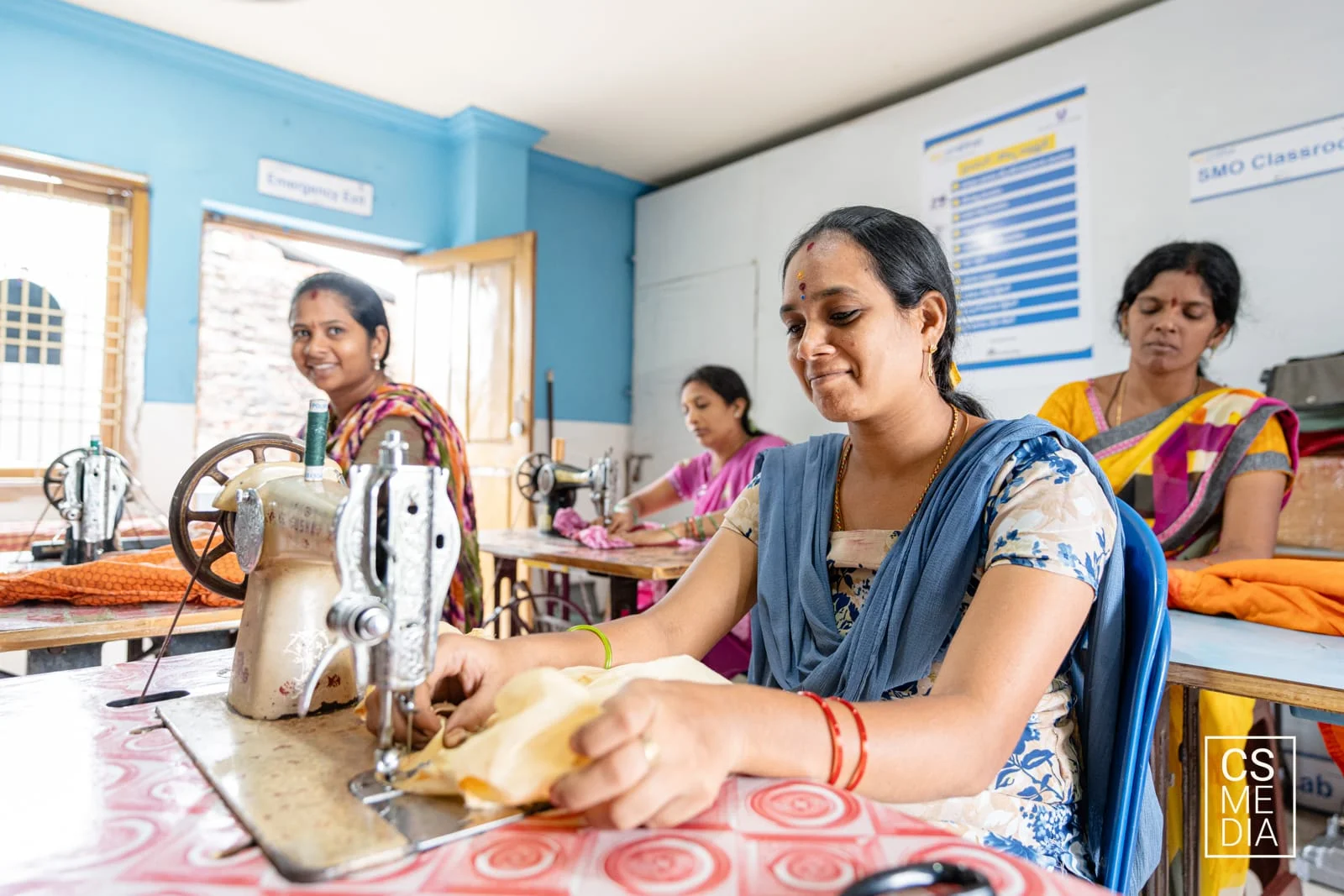
If Your Programmes Are Running, Your Documentation Should Too
CandidShutters Media works with enterprise leadership teams to build social impact video production as an ongoing capability rather than a one-off commission. Our work is grounded in documentary integrity, dignity-first representation and governance-aligned storytelling built for multi-channel use from the brief stage.
Last updated on June 3rd, 2026 at 11:51 am

CandidShutters Media
Corporate Photography & Video Production Agency · Mumbai & Gurgaon · Est. 2012 · 14+ Years
International : Dubai · Sri Lanka · Malaysia · Thailand · Maldives · Worldwide