
CandidShutters Media

Digital Explosions: How Visual Strategy Powers Tech Product Launch Events

March 7, 2026 • Vaishali Sahu
visual strategy for tech product launch events 14

The Death of the TVC. The Rise of the Content Storm.

For decades, the blueprint was simple. Book a ₹5 crore film set, shoot a 60-second TVC, blast it across broadcast. Done.

That playbook is being retired – fast.

India’s top tech brands are now routing those budgets into ₹50 lakh experiential launch events that generate hundreds of pieces of organic content in a single afternoon. The return is not comparable. A TVC gives you one piece of content and a media buy. A well-executed launch event gives you 50 reels, 200 stories, 30 YouTube shorts, and a trending moment on X, all in the same four-hour window.

This shift is happening across the board. From global giants entering new markets to homegrown challengers going after the mid-range segment, every serious tech brand in India is betting on creator-led launches over broadcast advertising. The audience trusts a creator’s hands-on reaction more than a polished 60-second spot, and the data backs that up.

But Reach Without Quality Is Just Noise.

Here’s the part that gets overlooked in the rush to book influencers and confirm headcounts: volume of posts means nothing if the visual quality doesn’t match the brand’s premium positioning.

Fifty creators posting simultaneously is an opportunity. Fifty creators posting mediocre content simultaneously is a problem that trends for the wrong reasons.

The visual strategy for tech product launch events has to be built before the event, not improvised on the floor.
What a Strong Visual Strategy for a Tech Launch Actually Looks Like

A tech product launch event has three distinct visual layers, and each one requires a different approach, different gear, and a different eye.

Layer 1: The Industrial Design Shot

Before any influencer picks up the device, the product itself needs to be documented with the precision of a luxury commercial. The camera bump. The titanium finish. The radius of the bezel. The texture of the matte back.

These macro-detail shots become the backbone of every post-event asset – the website banner, the media kit, the YouTube thumbnail, the print collateral. Brands that skip this layer end up scrambling for clean product imagery weeks after the launch has already trended and faded.

We approach industrial design shots with the same intent a watch brand would bring to a catalogue shoot. Every angle is deliberate. Every reflection is considered.

Layer 2: The Hands-On Moment

The hero content isn’t on the stage. It’s not the keynote speaker or the LED backdrop.

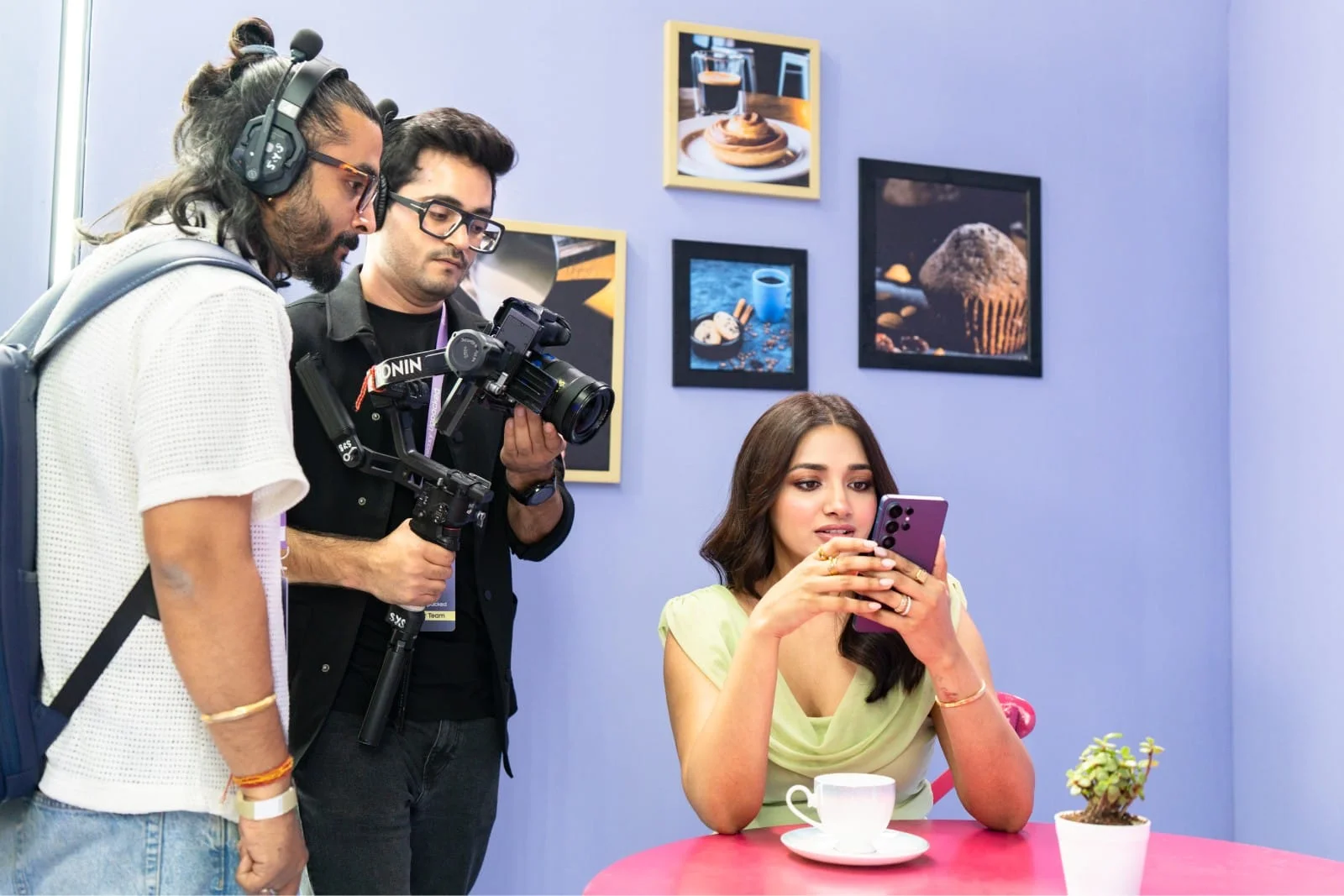
It’s the exact moment a creator picks up the device for the first time. The way they turn it over. The instinct to open the camera app. The expression when they feel the hinge of a foldable click into place.

These moments are unscripted and they last three to five seconds. Miss them and they’re gone. Our team is positioned specifically to capture this chemistry between creator and product, because that’s the content that drives purchase intent more than any campaign line ever will.

Layer 3: The Atmosphere

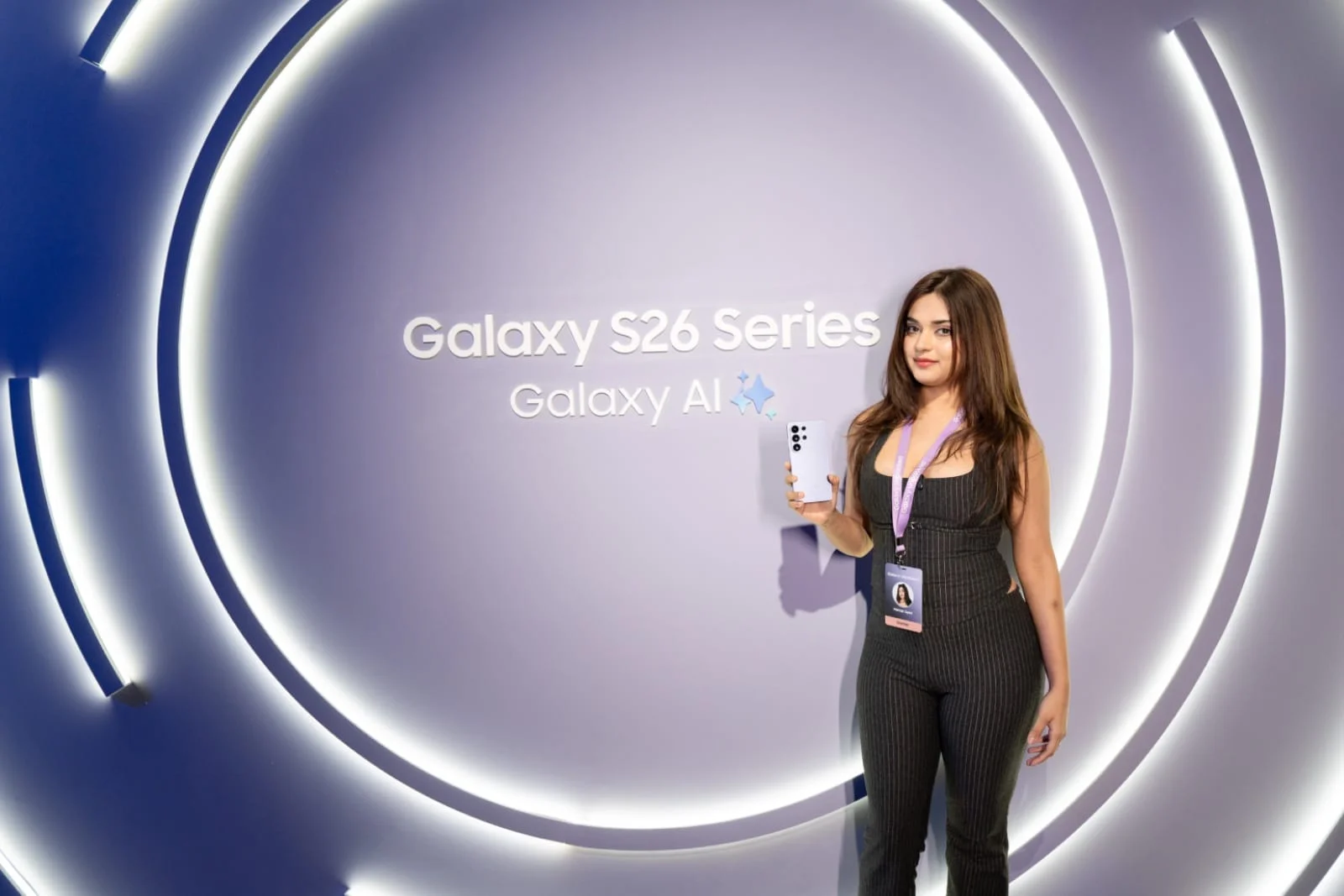
Tech launches in Delhi NCR have a particular energy. There’s competitive intensity in the room – creators who cover rival brands, journalists who have seen fifty launches, brand managers watching every reaction.

Capturing the atmosphere means reading that room. It means knowing when to go wide and when to push in tight. It means using our Sony a7IV kits to pull that shallow depth-of-field that makes event footage feel cinematic rather than corporate.

The difference between footage that looks like a press archive and footage that looks like a commercial is not the event, it’s the eye behind the lens and the intent before the shoot.

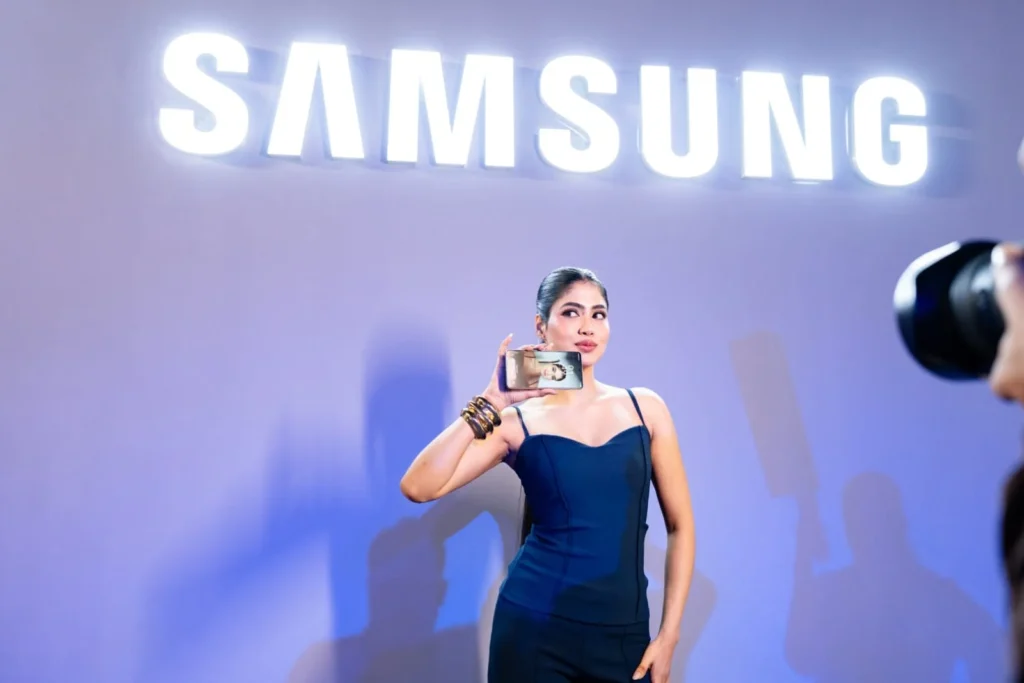
Fashion influencer experiencing the product during a smart phone launch event

The 4-Hour Rule: Why Rapid-Response Production Is Non-Negotiable

In consumer tech, content has a half-life measured in hours, not days. By the time a traditional production house delivers a polished edit – typically five to seven business days after the event – the algorithm has moved on, the trend has peaked, and the competitor’s launch is already dominating the feed.

The brands winning the visual game in India understand one thing: speed and quality are not a trade-off. They are both requirements.

What Rapid-Response Production Actually Involves

It starts before the event. Shot lists are pre-built around the product’s key features, the confirmed creator roster, and the event floor layout. We know which shots we need and where we need to be to get them, before the doors open.

During the event, our team works in parallel. While one unit is shooting the hands-on interactions, another is capturing b-roll and detail shots. Nothing waits.

Post-event, we grade and cut sizzle reels and social-ready edits while the event is still trending. The first deliverable is typically ready within four hours of the event closing. That’s the window that matters, and we’ve built our entire workflow around it.

Why Delhi NCR Is India's Tech Launch Capital, And What That Demands Visually

Delhi NCR sits at the intersection of India’s tech retail market, its creator economy, and its media infrastructure. Brands launching here are not just targeting a city, they are targeting the content that will set the national narrative for the product.

That raises the visual bar significantly. A launch in Delhi NCR will be covered by creators with national audiences, picked up by tech media with international readership, and referenced in brand decks for the next product cycle. The footage from this event will be used for months.

This is why visual strategy for tech product launch events in Delhi NCR cannot be an afterthought. The production crew is not there to document the event. They are there to produce the brand’s most important content of the quarter.

The CandidShutters Media Approach

We have worked across India’s tech launch circuit long enough to know where the visual opportunities are, and where brands consistently lose them.

The product detail shot that nobody thought to capture. The creator reaction that lasted four seconds and ended up in every recap video. The atmosphere that made a mid-range launch feel premium. These are not accidents. They are the result of a pre-built visual strategy executed by a team that understands the pace, the pressure, and the standard that tech launches demand.

A tech product launch event is a high-speed collision of innovation and influence. We don’t record events. We capture the digital soul of the product, so that by the time the first influencer hits post, your brand looks spectacular in every story, every reel, and every feed, at the exact moment the algorithm is paying attention.

FAQ's

1. What does a visual strategy actually include for a tech product launch event?
A strong visual strategy goes beyond just photography or videography, it includes stage design, screen content, product demo visuals, lighting, branding elements, and how everything flows together on camera and in person. The goal is to create a cohesive experience that clearly communicates your product story and keeps the audience engaged.

2. Why is visual storytelling so important in tech product launches today?
Because people don’t just want features, they want to understand and feel the product. Visual storytelling helps simplify complex tech, showcase real-world use cases, and create an emotional connection, which ultimately drives recall, engagement, and even conversions.

3. How can brands make their product launch visuals more engaging for live and hybrid audiences?
The key is interactivity and clarity, using dynamic visuals like live demos, motion graphics, and real-time audience engagement (polls, Q&A, screen interactions). Hybrid audiences especially need visually rich content to stay connected since they’re not physically present.

4. What are the most common mistakes in visual planning for tech launch events?
A big one is overloading the audience with technical visuals without context. Another is inconsistent branding across screens, stage, and media. Many brands also underestimate lighting, camera angles, and post-production – when in reality, these directly impact how premium and credible the product appears.

5. How early should you plan the visual strategy for a product launch event?
Ideally, visual strategy should start at the same time as event planning at least 2–3 months in advance. This ensures alignment between product messaging, audience expectations, and the overall experience, rather than treating visuals as a last-minute add-on.

Vaishali Sahu

About the author

Vaishali Sahu

Part of the digital communications team at CandidShutters Media, focusing on corporate storytelling and search-led brand positioning. Transforming documentation from events, CSR initiatives, and industry platforms into high-impact digital assets.

Last updated on March 27th, 2026 at 03:58 pm

Welcome to CandidShutters Media.

We are your one stop solutions provider for corporate photography and videography, brand films, corporate documentaries, employer branding photography, testimonial videos, corporate event photography, csr photography and all brand engagement content generation.

We are based in Gurgaon (Delhi NCR) and Mumbai but are available for assignments world over.