Award Night Event Photography and Videography – What Professional Coverage Delivers
Award nights are high-stakes brand moments. The award night photography and videography coverage you commission before the event determines the shelf life of the recognition long after the applause fades. Generic event photographers deliver generic results. This blog breaks down what separates professional award night coverage from average documentation, and why the decisions your team makes in pre-production directly impact what leadership, communication heads, and PR teams have to work with post-event.

The Trophy Photo Is the Least Important Frame of the Night
Here is something most event managers and corporate communications heads discover after the fact: the most valuable image from your award night is rarely the winner holding the trophy.
It is the CFO laughing genuinely at a table. It is the Managing Director mid-applause with real emotion on her face. It is the wide angle of a 400-person auditorium in a moment of collective pride.
Award nights are one of the most brand-loaded corporate events on the calendar. They carry recognition, culture, hierarchy, and aspiration all in a single evening. And yet, the visual documentation of these events is often handed to a generalist photographer with a single brief: “Cover the stage.”
If you are a CEO, CHRO, or Chief Communications Officer planning an award night, this is the thinking gap that costs your brand months of usable content.
Where Award Night Event Photography and Videography Actually Lives
Before you brief any corporate photography and videography partner, it helps to map where the output is actually going. Because award night coverage does not live in one place. It lives everywhere.
- Internal communications: Town hall decks, CEO letters, company newsletters, employee intranets
- LinkedIn brand content: Leadership posts, employer branding, milestone announcements
- Annual reports and investor documentation: Culture pages, visual evidence of organisational health
- PR and media kits: Coverage for industry publications, awards-specific press releases
- Recruitment marketing: EVP assets, careers page imagery, ‘life at [company]’ campaigns
- Retention and morale: Recognition walls, lobby displays, gifted prints and photobooks for awardees
A government organisation hosting a national excellence awards programme needs imagery that reflects institutional gravity. A fast-scaling technology company needs visuals that show energy and culture. A pharmaceutical conglomerate holding a leadership recognition summit needs awards ceremony videography and photography that communicates both scale and personalisation.
The use case defines the brief. The brief defines the coverage approach. And only an experienced award night photography and videography partner will ask you about use cases before they ask you about venue layout.
📊 According to the 2025 State of Employee Recognition Report (Achievers Workforce Institute), 90% of employees say they are more likely to put in extra effort when their work gets noticed. Recognition events do not just celebrate people, they drive performance.
Source: Achievers Workforce Institute, 2025 State of Employee Recognition Report
The Production Variables That Define Professional Award Night Event Photography and Videography
Let us get specific, because this is where professional coverage diverges sharply from standard event photography.
1. Multi-Zone Coverage Architecture
An award night has at least four distinct visual environments: the arrival and registration zone, the pre-dinner networking area, the main auditorium or stage, and the post-award mingling space. Each requires a different lens choice, a different positioning strategy, and a different shooting rhythm.
Event managers who book a single photographer to cover all four zones end up with one zone covered well and three zones covered poorly. Professional award night photography and videography teams design coverage architecture before the event, not on the day. This holds true whether the event is in Gurgaon, a five-star property in Delhi NCR, or a flagship conference venue in Mumbai.
2. Stage and Lighting Synchronisation
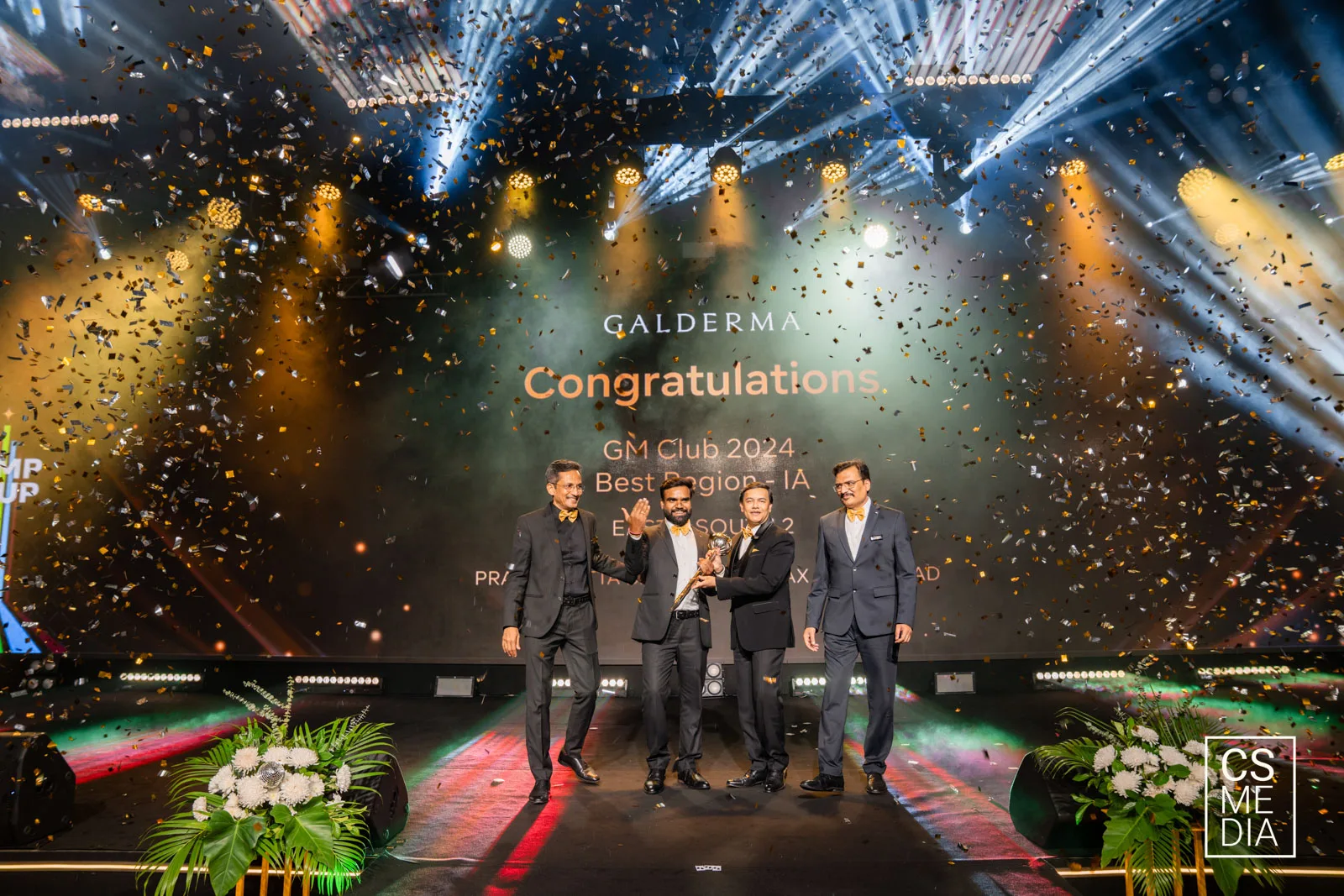
Awards ceremony videography and photography are notoriously difficult disciplines. The stage has high-intensity key lighting. The audience is in near darkness. The gap between both exposures can be three to five stops. An underprepared photographer will either blow out the stage or lose the audience entirely.
Professional photographers who specialise in corporate events and award nights know how to work with the lighting director in advance. They know where the colour temperature spikes. They know which moments on stage will be backlit and how to compensate. This is not knowledge you get from a portfolio that is 80 percent outdoor corporate headshots.
3. Candid Versus Ceremonial Coverage Balance
Every award night has scripted moments: the handshake, the trophy handover, the award citation reading. These are important. But they are not what moves people.
What moves people is the unscripted: the awardee’s spouse in the front row with tears in their eyes, the nominee who did not win but stood to applaud, the senior leader who spent 20 minutes at a table with a junior employee after the ceremony.
Professional event photographers know how to hold back during the ceremony and be hyperactive in the margins. They understand scene-setting versus moment-hunting. That balance is a skill, not an instinct, and it comes from years of covering high-stakes corporate events.
4. Video Coverage: The Highlight Film Versus the Archive Film
These are two completely different deliverables and most award night briefs confuse them.
The highlight film is a 2 to 3 minute edit built for social media, leadership communications, and internal broadcast. It runs on music, moves fast, and communicates mood over information. This is what your Marketing Head wants.
The archive film is a 15 to 40 minute structured recording of the full event: every award presentation, every acceptance speech, every citation. This is what your Legal, HR, and Compliance teams want. This is what your Board needs for governance documentation. This is what awardees want for their own professional records.
Both require different equipment setups, different editing workflows, and different delivery timelines. An award night videography partner who does not distinguish between the two at briefing stage is not the right partner for your event.
📊 LinkedIn data shows that multi-image posts generate 2x higher comment rates, and video content on the platform grew 36% year-on-year in 2025. The award night content your communications team posts is competing in a much more visual environment than it was three years ago.
Sources: LinkedIn Marketing Solutions 2026; SocialInsider LinkedIn Benchmarks 2026
What Breaks Down Without Professional Award Night Coverage
Real examples from the corporate events space, anonymised but accurate.
The FMCG company that lost its CEO moment: A leading consumer goods organisation held its annual dealer recognition awards at a five-star property in Delhi NCR. The hired photographer was positioned at stage-right for the full event. The CEO, who presented only two awards personally and then spent the rest of the evening table-hopping, was photographed a total of six times. None of the six frames were usable for external communications. The Communications team had to use a phone photo taken by an employee.
The government awards programme with no wide shots: A central ministry hosted a national awards ceremony for public service excellence. The photographers covered individual stage moments thoroughly. Nobody shot the full auditorium from the back balcony during the opening address, a shot that would have been the leading visual in every newspaper and ministry brief. It was not in the briefing document. Nobody asked.
The tech company whose highlight reel ran three days after the event: The videography vendor delivered raw footage. The company had no post-production partner on contract. Three days after the event, LinkedIn had moved on. The moment was gone.
Each of these failures comes back to one thing: the brief. And the brief only gets built correctly when the award night photography and videography partner brings as much knowledge to the table as the client does.
What a Good Brief Actually Contains for Award Night Coverage
If you are an event manager or a Chief of Staff building the RFP or vendor brief for award night photography and videography, here is what the brief must address:
- Event timeline with critical moments flagged: Not just start and end times. The exact sequence of award presentations, the VIP dinner seating plan, the entertainment breaks, the networking windows.
- Talent list with face sheets: For photography teams covering corporate awards in Delhi NCR, Gurgaon, or Mumbai, knowing who the awardees, senior leadership, and VIP guests are before the event is not optional. It is how you guarantee that the right people are in focus at the right moments.
- Venue walkthrough requirement: Any professional award night photography and videography partner should conduct a venue recce. Lighting positions, ceiling height, stage depth, ambient light sources, restricted areas.
- Usage rights and delivery format: What resolution, what format, what cloud delivery platform, and what turnaround time. If your Communications team needs 100 selects by 8 AM the next morning for a press release, that needs to be in the contract, not in a WhatsApp message at midnight.
- Post-production scope: Colour grading to brand palette? Text supers in the highlight film? Award citation graphics? Logo placement? These are editorial decisions that belong in the brief.
Award Night Event Photography and Videography as a Recognition Asset
This is a dimension that is underweighted in most award night planning conversations.
When an employee wins a company recognition award, the trophy stays on their desk. But the photograph stays in their memory, on their LinkedIn profile, and in the stories they tell their families.
📊 The 2024 Reward Gateway report found that 90% of HR professionals say an effective recognition programme improves business results, and 91% agree it has a positive effect on retention. For HR leaders investing in structured recognition programmes, the quality of the photography and videography is not incidental, and it is part of the programme’s ROI.
Source: Reward Gateway, State of Employee Recognition 2024
For organisations investing in structured recognition programmes, the awards ceremony videography and photography coverage is not a nice-to-have. It is the primary vehicle through which recognition becomes tangible for the awardee. A poorly lit, generic stage photograph diminishes the award. A thoughtfully composed portrait at the moment of recognition amplifies it.
Large MICE operators and professional conference organisers understand this. It is why award nights at industry-level events – national industry body conferences, international delegation summits held in Delhi NCR, Mumbai, and across India invest in dedicated photo stations and post-event portrait sessions for awardees. The visual asset is part of the recognition package.
For HR leaders building recognition architecture, this is a meaningful design decision.
Pre-Production Is Where Professional Award Night Photography and Videography Is Won
The night itself is execution. The quality of the output is determined in the weeks before.
A professional award night photography and videography team will:
- Review the event concept and awards categories to understand visual hierarchy
- Study the venue floor plan and propose coverage positions
- Align with the AV and lighting vendor on colour temperature, key light placement, and stage blocking
- Review the run-of-show document and flag coverage gaps
- Build a shot list in collaboration with the Communications or PR team
- Confirm deliverable specifications, turnaround timelines, and post-production scope
This is the pre-production standard that separates teams with deep corporate event experience – whether the assignment is in Gurgaon, Delhi NCR, or Mumbai from generalist photographers who show up with a camera and a good attitude.
Summary
Award night photography and videography is a multi-variable production discipline, not a one-camera documentation job.
The output lives across internal communications, employer branding, PR, recruitment, and awardee recognition for months and years after the event. Getting it right requires a partner who understands the brand context, the visual hierarchy of the evening, the technical demands of the venue, and the post-production workflow that converts raw footage into usable assets.
For CEOs, CHROs, Chief Communications Officers, and senior event managers, the investment in professional award night photography and videography coverage is not about aesthetics. It is about the return on the recognition programme itself. If the visuals do not land, neither does the recognition.
Work With CandidShutters Media
CandidShutters Media is a premium corporate photography and videography practice based in Gurugram, with operations across Delhi NCR and Mumbai. Over 14 years, we have covered award nights, leadership summits, MICE events, and experiential corporate programmes for Fortune 500 companies and some of India’s most recognised organisations.
We bring a full pre-production workflow, dedicated stage and candid coverage, and post-production delivery that meets the timelines your Communications and PR teams work to.
To discuss your upcoming award night coverage, reach us at contact@candidshutters.media or visit https://candidshutters.media/.

CandidShutters Media
Corporate Photography & Video Production Agency · Mumbai & Gurgaon · Est. 2012 · 14+ Years
International : Dubai · Sri Lanka · Malaysia · Thailand · Maldives · Worldwide