Employer Branding Photography: What to Shoot (and Avoid)
Employer branding photography is a strategic visual communication exercise, not a headshot session with better lighting. Shoot real people in real moments, brief your photographer on the employer brand narrative, and leverage corporate events for authentic content. Avoid staged breakout zone smiles, empty offices, stock aesthetics and anything that misrepresents your actual culture.
Here is something most CHROs discover only after the shoot wraps: the photographs looked great in the editing suite and completely flat the moment they went live on the careers page.
The smiles looked rehearsed. The conference room looked like every other conference room in the country. Significant budget, three weeks of coordination, and the visual content said nothing specific about the organisation.
This is not a photography problem. It is a strategy problem. And it happens across financial institutions, pharmaceutical majors, government-linked enterprises, and large MICE-scale organisations alike.
The numbers make the stakes clear. 88% of job seekers consider a company’s employer brand before applying, according to research compiled by DSMN8. LinkedIn’s own data shows that employee turnover can be reduced by up to 28% when organisations invest in employer branding, and that employer branding increases employee engagement by as much as 20%. Yet the visual layer – the recruitment marketing visuals that sit on careers pages, LinkedIn company profiles, and job ad thumbnails – remains one of the most under-strategised elements of the entire EVP photography exercise.
The photographs on your careers page, LinkedIn company profile, and recruitment collateral are often the first real impression a candidate forms of your organisation. If those photographs are generic, they communicate generic. This guide is for the people who commission and approve that content.
What to Shoot: Employer Branding Photography That Works
Real People in Real Moments
Substituting employees with models or stock imagery is a credibility problem, not just an aesthetic one. Candidates – particularly senior professionals evaluating a career move can tell immediately. This is the foundation of effective candidate experience photography: authenticity that reads as such.
- A senior manager mid-conversation in a cross-functional standup, not posed at a whiteboard
- A finance team working an actual brief, not pretending to look at a laptop
- An operations lead walking the floor with purpose, not staged down a corridor
The specificity of the context is what makes the photograph work.
Leadership in Working Contexts
Most organisations produce exactly one formal headshot of the leadership team and photograph individual contributors extensively. That is the wrong ratio.
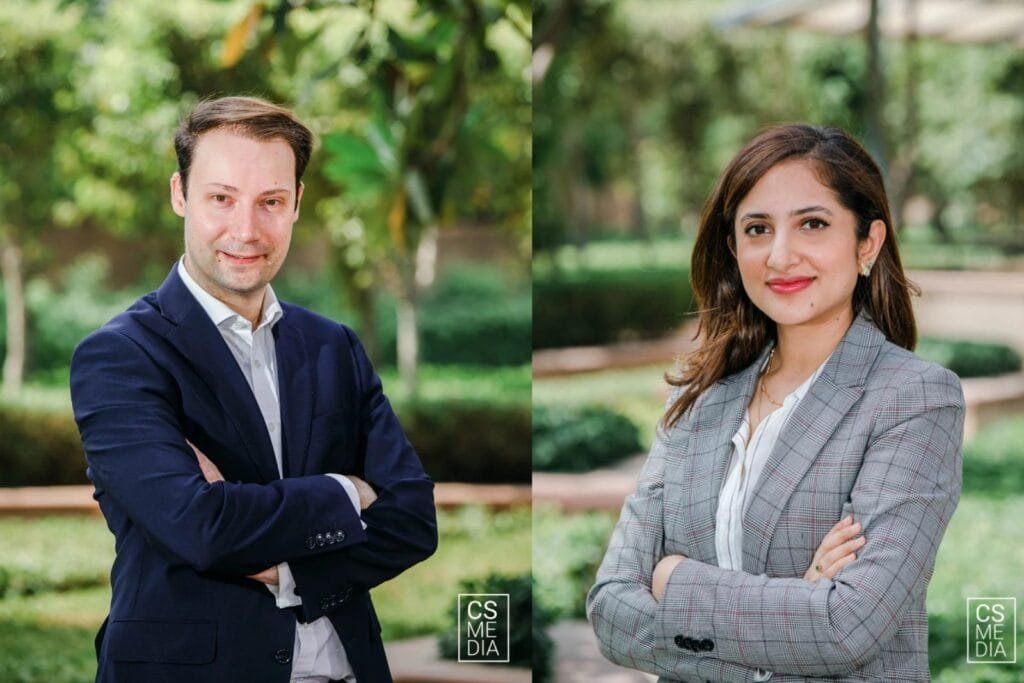
Senior candidates research the leadership team before engaging with a role. A CEO photographed authentically, in a working moment, communicates more about organisational culture than a dozen policy statements. This is EVP photography at its most powerful – letting leadership presence become part of the talent acquisition visual strategy.
- CXOs reviewing a brief with a direct report or leading a town hall
- Editorial-style portraits that convey character, not just title
- Leadership engagement at corporate events and MICE-format programmes, where the environment itself elevates the frame
Corporate Events as Employer Branding Inventory
Investor conferences, dealer meets, government conclaves, sector summits, and annual leadership conferences are among the richest environments for employer branding content, and among the most underused. Organisations operating out of Delhi NCR, Gurugram, and Mumbai run some of India’s highest-profile corporate events. Almost none of them brief their photographers with an employer brand lens.
The reason most organisations miss this: the event photographer was briefed for coverage only.
A dual brief changes everything. From a single conference day, you can extract:
- Leadership in action, not just at the podium
- Audience engagement: delegates listening, teams at registration, stakeholders in conversation
- Behind-the-scenes operational moments that communicate how the organisation runs
Nobody is posing for an employer branding shoot. They are just working. That authenticity cannot be replicated in a directed shoot, and it is precisely what makes the most compelling recruitment marketing visuals.
Environment as a Signal
Your workspace communicates values before a single person appears in frame. A trading floor signals pace. A formal boardroom signals consequence. A working open-plan signals collaborative structure.
Shoot environments during active hours, not after a cleanup. Include milestone spaces: the boardroom where decisions are made, the auditorium where town halls run, the conference venue where leadership summits happen. For government-linked organisations and PSUs, the built environment often carries significant brand equity on its own.
A Spread Across Functions and Seniority
If every photograph shows people in formal business attire in a corporate setting, you are silently communicating that only one kind of professional belongs here. Considered candidate experience photography spans every layer of the organisation.
Build your shot list across:
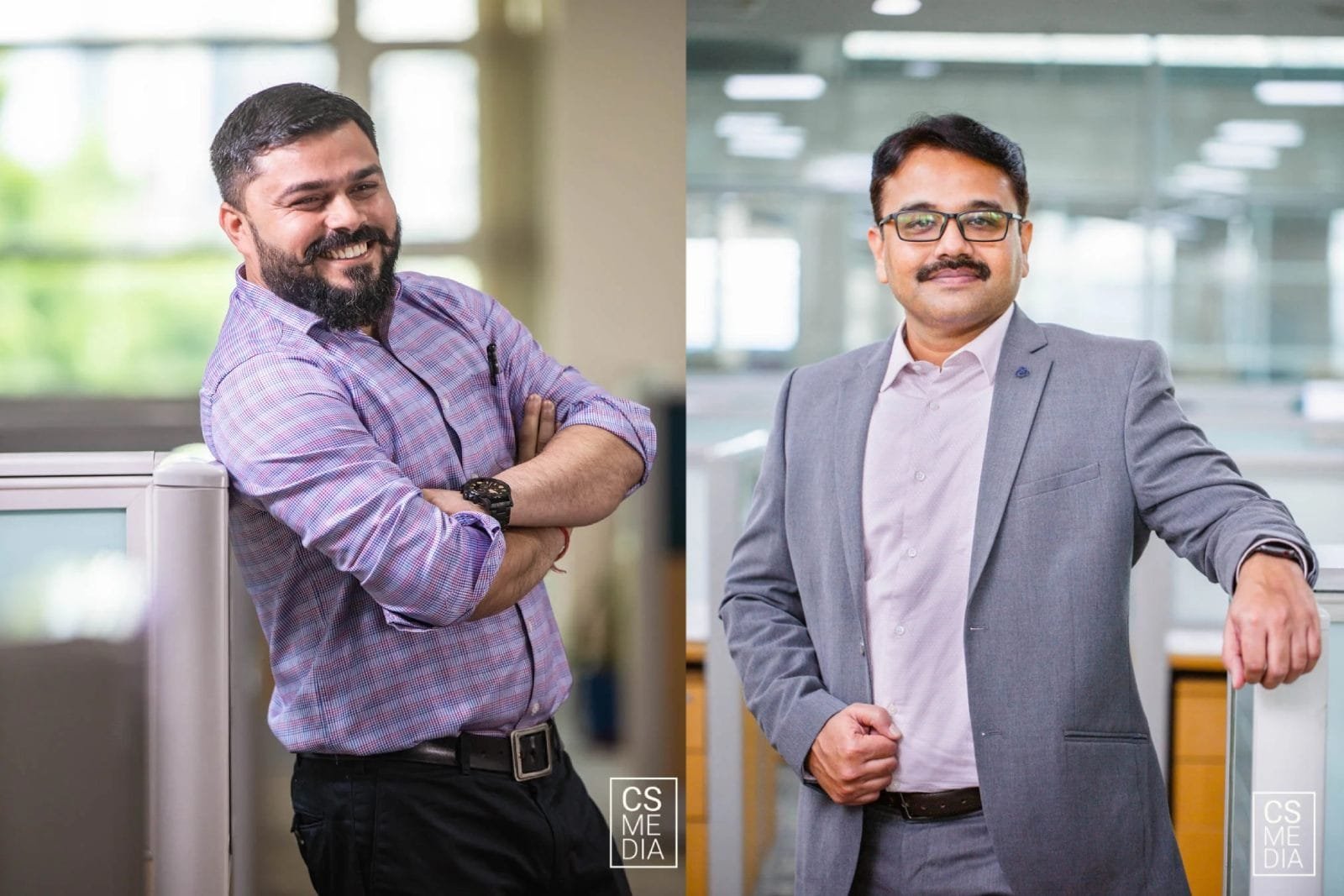
- C-suite and department leads
- Individual contributors in specialised roles
- Support functions: HR, finance, operations – which signal that the organisation values every layer
- Field and client-facing roles, where applicable
What Not to Shoot: Where Employer Branding Photography Fails
The Forced Breakout Zone Moment
Four people on colourful chairs, coffee cups in hand, laughing at nothing. Body language that nobody actually holds. A table cleared of everything except the decorative plant.
This photograph does not communicate a great culture. It communicates that the organisation is trying to communicate a great culture. Candidates read that difference immediately.
The Empty Office
An empty conference room, however architecturally impressive, communicates absence. If the space is worth showing, put real people doing real work in it and let the environment support the human story.
Anything That Misrepresents the Culture
A photograph of a ping-pong table in a company that runs demanding hours is not employer branding. It is an attrition driver. The mismatch between what visual content promises and what a new joiner actually experiences is one of the clearest predictors of early exits.
If the culture is high-performance and rigorous, the visual content should reflect that. It will attract the right candidates and deter the wrong ones. Both outcomes are valuable.
Stock Photography – or Custom Work That Looks Like It
The problem with stock imagery for employer branding photography is not just genericism. It signals to candidates that the organisation either lacks confidence in its actual people and workspace, or that the employer brand is not a genuine strategic priority.
The more expensive version of this mistake: a custom shoot so heavily directed that it produces images indistinguishable from stock. Forced diversity in frame, uniform lighting, conspicuously neutral locations. All the cost of a real shoot, none of the credibility.
A Shoot With No Brief on the Employer Brand Narrative
A photographer briefed only on logistics will produce technically competent images that serve no strategic purpose. The employer branding photography brief needs to communicate:
- What the employer value proposition is
- Which narratives the images need to carry: innovation, rigour, inclusivity, pace
- Who the target candidate is
- Which channels the images will run on – because the compositional requirements for a LinkedIn banner, a job ad thumbnail, and a careers page hero image are meaningfully different
Define the story before the camera comes out.
The Working Shot List Framework for Corporate Photography for Employer Branding
Portrait tier
- Executive portraits, editorial style
- Department lead portraits in working context
- Individual contributor portraits, candid and role-specific
Collaboration tier
- Cross-functional meetings in progress
- Leadership engaging with teams
- Working groups mid-process, not mid-smile
Environment tier
- Primary workspace during active hours
- Collaborative spaces in genuine use
- Event and conference environments with dual brief
Channel-ready formats
- Landscape for website banners and LinkedIn covers
- Portrait for mobile-first and Instagram
- Off-centre compositions with negative space for copy overlay
Why This Matters: What the Data Says
Employer branding photography does not exist in a vacuum. The visual layer of your talent acquisition strategy sits on top of a deeply numbers-driven reality:
- 83% of job seekers research company reviews and ratings before deciding where to apply (Glassdoor, 2025). Your careers page imagery is often what they land on first.
- Companies with strong employer brands can reduce their cost-per-hire by up to 50% (LinkedIn Talent Solutions). Effective recruitment marketing visuals are part of what builds that brand.
- 9 in 10 candidates say they would apply for a job at a company with an active employer brand (Workable). EVP photography that communicates culture clearly is a direct pipeline accelerant.
- 69% of candidates would reject a job offer from a company with a negative employer brand – even if they were unemployed (MRINetwork). Visual misrepresentation is a negative brand signal.
- Posts with images on LinkedIn see 98% more comments than text-only posts (LinkedIn). The visual layer of your employer brand is also your content distribution engine.

Summary: Employer Branding Photography - The Short Version
Employer branding photography either works for your talent pipeline or works against it. There is no neutral position.
Shoot: real employees in real contexts, leadership in working moments, corporate events with a dual brief, environments during active hours, and a functional spread across seniority levels.
Do not shoot: staged social moments, empty spaces, culture misrepresentations, stock aesthetics, or anything without a strategic brief behind it.
The candidates you want to reach are experienced at reading visual content. They will notice the difference between a photograph that reflects genuine organisational character and one that was produced to look like it does.
FAQs: Employer Branding Photography in India
1. How many photographs should we expect from an employer branding photography shoot?
For a single-day workplace photography shoot, a well-briefed corporate photographer typically delivers between 80 and 150 final edited images covering portraits, collaboration moments and environment shots across multiple locations within your office. If the shoot includes a corporate event component (a conference, town hall, or leadership meet), that number can increase significantly, with 200 to 400 edited frames being common for a full-day event. The number is less important than the brief: a tighter brief produces more usable images per frame, because the photographer is shooting with intent rather than volume.
2. How many days does an employer branding photography shoot typically take?
Most employer branding photography programmes for a single office location – covering leadership portraits, team candids and environment shots are structured as one to two shoot days. Larger programmes that span multiple departments, multiple seniority tiers, or multiple cities (Gurugram, Mumbai, for example) are planned across two to four days, sometimes across separate dates to allow for scheduling around leadership availability. Organisations that additionally leverage existing corporate events for EVP photography can often extend their visual library significantly without adding dedicated shoot days – this is one of the most cost-effective approaches in the market.
3. What is the cost of employer branding photography in India?
Pricing varies considerably depending on scope, geography, and the experience level of the agency or photographer engaged. As a general market orientation for Delhi NCR, Gurugram, and Mumbai:
- A single-day corporate photography engagement with an experienced professional typically ranges from ₹25,000 to ₹75,000 for the shoot day, before post-production.
- A structured employer branding photography programme covering portraits, collaboration and environments across multiple shoot days is typically scoped as a project, with budgets ranging from ₹1.5 lakh to ₹5 lakh depending on volume, deliverables, and usage rights.
- Organisations that dual-brief their existing event photography for employer branding content can extract significant additional value from events budgets already committed – often at no incremental photography cost.
The most important variable is not the day rate; it is whether the brief is strategic. A well-scoped employer branding photography programme with a clear EVP brief will produce more usable content per rupee than a larger, undirected shoot.
4. Can we run employer branding photography at our corporate events?
Yes, and this is one of the most underused approaches in India’s corporate photography market. Investor conferences, leadership summits, dealer meets, and government conclaves in Delhi NCR and Mumbai offer an exceptionally rich visual environment: real people doing real work, leadership in authentic engagement, and the energy of a live event. With a dual brief in place – event coverage plus employer brand content – a single conference day can yield months of recruitment marketing visuals. The key requirement is briefing the photographer in advance on the employer brand narrative, not just the event logistics.
5. Should we hire a specialist agency for employer branding photography or a generalist photographer?
For organisations where the visual output will sit on Fortune 500-scale careers pages, LinkedIn company profiles, and senior leadership recruitment collateral, the brief complexity justifies working with an agency experienced in corporate photography for employer branding, not a generalist studio. The distinction is strategic fluency: an experienced corporate photography agency will understand EVP, candidate experience photography, and channel-specific compositional requirements. They will brief themselves on your employer brand narrative and produce images that function as strategic communication, not just documentation.
Work With an Agency That Understands the Brief
CandidShutters Media has spent over 14 years working with Fortune 500 organisations, C-suite leadership, and event management teams across India on corporate photography and videography that serves a strategic purpose. Our work spans corporate events, MICE programmes, leadership conferences, government conclaves and employer branding shoots across Gurugram, Delhi NCR, and Mumbai.
If your organisation is planning an employer branding photography programme or a large-format corporate event and you want the visual output to do more than document, let us know what you are working on.
Get in touch with CandidShutters Media
Last updated on July 7th, 2026 at 07:34 pm

CandidShutters Media
Corporate Photography & Video Production Agency · Mumbai & Gurgaon · Est. 2012 · 14+ Years
International : Dubai · Sri Lanka · Malaysia · Thailand · Maldives · Worldwide