Corporate Photography vs Event Photography: Key Differences
Corporate photography and event photography are not the same service, even if both happen at your office or venue. Corporate photography is strategic, brand-driven visual content created for specific business objectives. Event photography is real-time documentation of what happened. Mixing up the two leads to misaligned deliverables, wasted budgets, and visuals that do not work where you actually need them. Here is how to tell the difference and what to ask before you book.
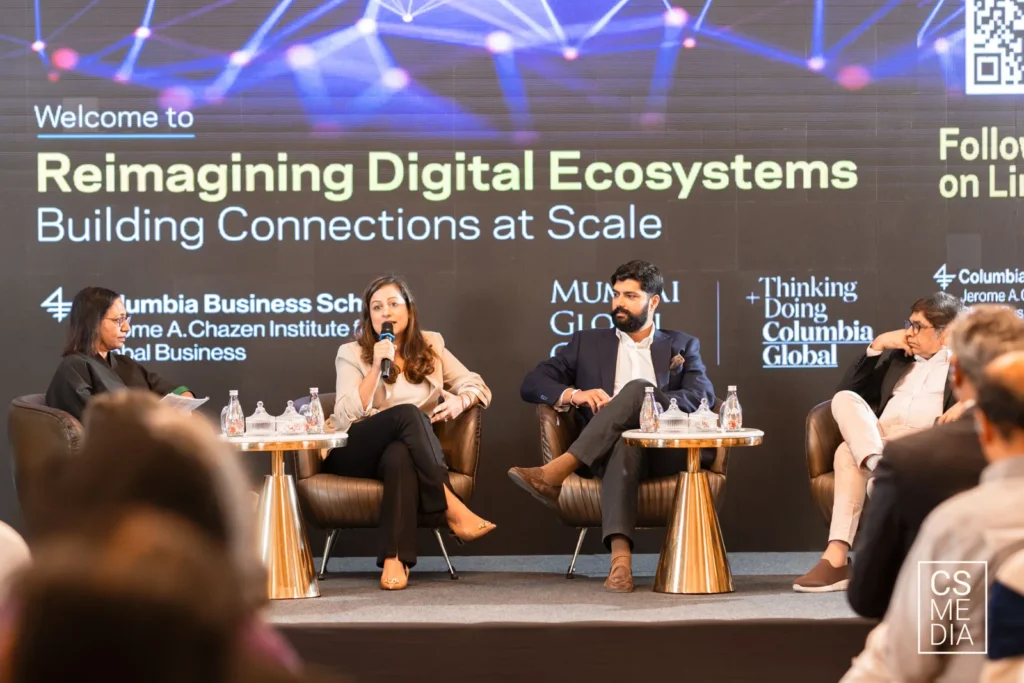
You Have an Upcoming Conference. Now What?
Your CHRO is planning the annual leadership summit. The marketing team wants LinkedIn content. Corp Comms needs visuals for the investor deck. PR wants something for the press release. The admin team has booked a “photographer.”
One photographer. Four completely different briefs.
This is where most organizations in India quietly lose money, not because they hired the wrong person, but because they hired without understanding that corporate photography and event photography are two different disciplines serving two different purposes. The visual output, the brief, the post-production workflow, and the final deliverables are not interchangeable.
If you are a CEO, CMO, or senior decision-maker evaluating visual content partners for your brand, this distinction is worth understanding before your next RFP goes out.
The Fundamental Difference
Let’s be direct about it.
Event photography is reactive. The photographer is there to document what unfolds. Guest arrivals, award moments, group photographs, panel discussions in progress, audience reactions. The goal is accurate, comprehensive coverage. The primary client is often the event manager or the admin function. The output is a gallery that says “this happened.”
Corporate photography is intentional. Every frame is pre-planned in alignment with a visual communication objective. Who is being photographed, how they are lit, what is in the background, what the image will be used for, and how it needs to look on a specific platform or medium – all of this is decided before the shutter is pressed. The primary client is the brand, the marketing team, or the C-suite. The output says “This is who we are.”
The overlap happens when both are required at the same event – which, at large-format MICE events, government convenings, or international conferences, is almost always the case.
Breaking It Down: Seven Real Differences
1. Brief Structure
Event photography operates on a run-of-show. The photographer gets a schedule and covers key moments in sequence. Corporate photography operates on a shot list with predetermined compositions, brand alignment checks, and sometimes lighting setups for key subjects.
Real example: At a pharma company’s national sales conference, the event photographer covers the award ceremony and group photos. The corporate photographer is simultaneously working on portraits of the National Sales Head and Regional Leads for the company’s internal magazine and LinkedIn communications.
2. The Role of the Subject
In event photography, subjects are captured as they are. In corporate photography, subjects are directed – posture, expression, positioning relative to brand elements in the frame.
This is the difference between a candid of your MD addressing the room and a directed frame of your MD that the IR team will put in the annual report.
3. Post-Production Standards
Event photography is typically volume-processed. You get a large gallery, colour-corrected in batches, with a standard turnaround. Corporate photography involves selective editing, heavier retouching on key images, brand colour palette alignment, and in some cases, composite work or background replacement for banner and OOH use.
4. Strategic Alignment
Corporate photography is often mapped to a visual brand identity guide. The photographer is briefed on brand colours, logo placement rules, or even specific visual narratives the brand is building across platforms. Event photographers are rarely looped into this conversation.
5. Turnaround Timelines
Event photography: fast. 24 to 72 hours for a gallery is standard, because the client needs to post while the event is still relevant.
Corporate photography: thorough. A 3-day summit might yield 20 to 30 hero images that go through multiple rounds of creative review before they are approved for use.
6. Crew Specialisation
Event coverage at scale – think a 1,500-delegate MICE event, a national dealer meet, or a government-hosted industry conclave – requires photographers who understand multi-room, multi-moment coverage, crowd management for group photographs, and stage lighting conditions. Corporate portraiture or brand film stills require a different specialisation altogether. These are rarely the same person.
7. Client Stakeholder
Event photography brief owner: event manager, admin, or hospitality team. Corporate photography brief owner: CMO, Head of Brand, VP Communications, or the CEO’s office directly.
This is important because the decision to invest in corporate-grade visual content almost never sits with the person booking the venue.
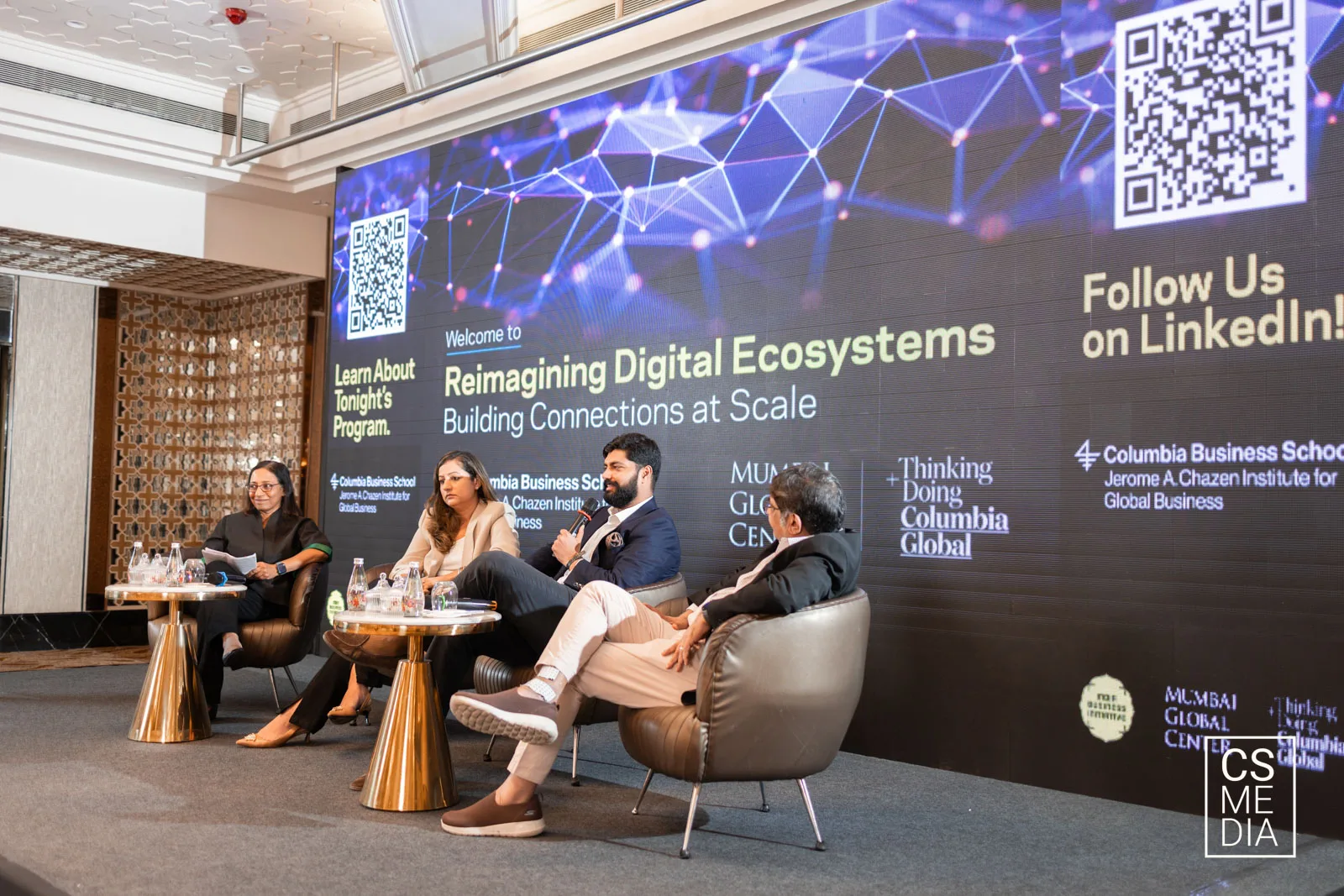
Where Indian Organisations Get This Wrong
A few patterns that come up repeatedly across Fortune 500 India operations, PSUs, and large conglomerates:
- The single-photographer syndrome. One photographer is booked to cover an all-day leadership retreat. The output is a 400-image event gallery. The CMO needed 12 brand-ready images for the annual report. Nobody briefed for that. Nobody got it.
- Using event photos in brand contexts. Event photography, shot in ambient or stage lighting with variable backgrounds, rarely works in professional publications, investor presentations, or high-visibility campaigns. When organizations push event images into these contexts, the visual quality gap is visible. It reflects on the brand.
- Briefing the vendor, not the objective. “We need a photographer for our conference” is an event brief. “We need visual assets from this conference for our annual report, LinkedIn, and the investor deck” is a corporate photography brief. The vendor you book should match the objective, not just the occasion.
- Government and institutional events. For ministry-level summits, PSU conclaves, or national industry association events, there is often a protocol requirement for official visual records alongside the brand communication need. These require separate, parallel coverage tracks, each with their own brief.
When You Need Both (Corporate Photography and Event Photography)
Large-format corporate events – national conferences, C-suite summits, MICE programs, brand launches – almost always require parallel coverage tracks.
Here is a basic framework for how senior decision-makers should think about this:
Track 1: Event Documentation Covers the full run of show. Group photographs, speaker sessions, award moments, audience shots, venue details. Goes to the event manager, internal records, and basic social media use.
Track 2: Corporate Visual Content Pre-planned shot list aligned to marketing and communications objectives. Headshots and environmental portraits of senior leadership. Specific product or installation frames for PR use. Behind-the-scenes imagery for employer brand or culture narrative. Directed b-roll equivalents for the brand film team.
Track 3 (for large-scale MICE or government events): Protocol and VIP coverage with a dedicated operator.
Planning these as separate briefs, even if you award them to the same agency, ensures you actually get what each stakeholder needs.
Questions Worth Asking Before You Book
If you are evaluating visual content partners for an upcoming event or corporate program, these are the questions that separate a strategic partner from a day-rate photographer:
- Can you walk me through how you handle a multi-brief event with parallel coverage needs?
- What does your shot list process look like, and at what point do you involve the marketing or brand team?
- How do you handle post-production for images going into investor or published materials versus general event use?
- Have you worked on events with VIP protocol requirements or government delegations?
If the answers are vague or the vendor has not worked with an in-house brand or comms team before, that is relevant information.
What This Looks Like in Practice
At a national pharmaceutical company’s medical conference held at JECC, Jaipur, two separate briefs ran in parallel. The event documentation track covered 14 speaker sessions, a 900-delegate plenary, and three award ceremonies. The corporate photography track covered directed portraits of the incoming National President, a specific set of signage and exhibition frames for the organisation’s annual publication, and three product-in-context frames for a press release that went out the next morning.
Both briefs were executed cleanly because they were planned as separate tracks with separate shot lists and separate post-production workflows.
The event gallery was delivered in 48 hours. The corporate-grade images for publication went through two rounds of review and were delivered five days later, print-ready.
Same event. Two completely different objectives. Two completely different outputs.
Summary
| Event Photography | Corporate Photography | |
| Goal | Document what happened | Build visual brand assets |
| Brief Owner | Event manager / admin | CMO / Brand / C-suite |
| Approach | Reactive, run-of-show | Intentional, shot list driven |
| Output Volume | High (full gallery) | Low to medium (selected hero images) |
| Post-Production | Batch colour correction | Deep edit, brand-aligned |
| Turnaround | 24-72 hours | 3-7 days |
| Typical Use | Internal records, social media | Annual reports, PR, investor decks, campaigns |
| Licensing | Standard | Usage-rights aware |
The core principle: book based on the objective, not the occasion.
Ready to Brief for Both?
CandidShutters Media works with senior communications, marketing, and C-suite teams across India on multi-brief corporate photography and event coverage for large-format conferences, MICE programs, leadership summits, and institutional events.
If you have an upcoming event and you are thinking through the visual content strategy, we are happy to walk through the brief with your team before the RFP goes out.
Get in touch to start the conversation.
FAQ's
1. What is corporate photography actually used for?
Corporate photography is used to build a brand’s visual identity – think website images, leadership portraits, LinkedIn content, PR releases, and marketing campaigns. It’s less about moments and more about how the brand wants to be seen.
2. Is event photography only about covering what happens?
Mostly, yes. Event photography focuses on documenting real-time moments – who attended, what happened, and how it unfolded. It’s more about capturing presence than creating controlled, brand-led visuals.
3. Which type of photography is better for marketing and brand visibility?
Corporate photography, because it’s planned with intent. These visuals are created to be reused across platforms like websites, social media, and ads. Event photos can support marketing, but they rarely define it.
Last updated on June 15th, 2026 at 02:10 pm

CandidShutters Media
Corporate Photography & Video Production Agency · Mumbai & Gurgaon · Est. 2012 · 14+ Years
International : Dubai · Sri Lanka · Malaysia · Thailand · Maldives · Worldwide