Corporate Photographer in Gurgaon – What to Look For, What to Avoid
- Corporate photography in Gurgaon is not a category where the cheapest quote is the smartest decision
- There is a significant difference between a wedding photographer who “also does corporate” and an agency built exclusively for it
- Evaluate a photographer on brief comprehension, discretion, turnaround, and editorial consistency – not just their portfolio surface
- The biggest mistakes happen before the shoot: unclear deliverables, wrong vendor category, no backup coverage plan
- CandidShutters Media operates exclusively in corporate and institutional photography across Gurgaon and Delhi NCR
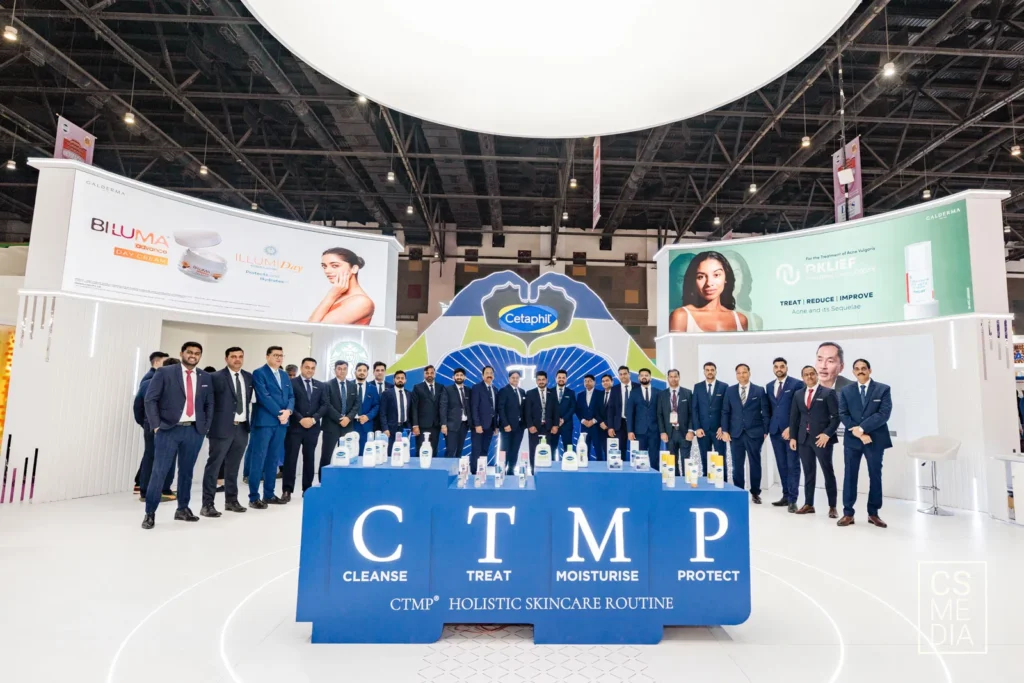
When your board meeting, leadership summit, or brand film goes wrong visually, it does not just look bad. It signals something about the organisation behind it.
That brief, uncomfortable pause when the communications head says “the photos didn’t come out well” – that moment happens more often than most Gurgaon-based corporates will admit publicly. And almost every time, the problem wasn’t the event. It was the brief or the vendor selection that preceded it.
This guide is written for the person who is about to shortlist photographers for a corporate event, investor conference, leadership offsite, or institutional documentation project in Gurgaon. Not for someone planning a wedding. Not for a startup with a smartphone budget. For the decision-maker who understands that the visual output of a high-stakes event will end up on investor decks, LinkedIn announcements, press releases, and annual reports.
Why "Corporate Photographer in Gurgaon" Is a More Specific Search Than It Looks
Gurgaon – or Gurugram – is one of the most dense concentrations of corporate headquarters, Fortune 500 India offices, and institutional buildings in South Asia. Cyber City alone hosts global command centres for companies like Google, American Express, Deloitte, and Nestle. The Udyog Vihar belt, Sector 44, and Golf Course Road corridors add hundreds more.
What this means practically: there is enormous demand for professional corporate photography here, and the supply is uneven in quality.
A search for “corporate photographer in Gurgaon” will return:
- Dedicated corporate studios with multi-year institutional client rosters
- Wedding photography studios offering corporate services as a secondary vertical
- Freelancers with event portfolios that span birthday parties and product launches in the same album
- Commercial studios that focus on product photography, not people or events
These are not interchangeable. For a CEO keynote, a pan-India dealer conference, or a government convocation ceremony, the category of vendor matters as much as their individual skill.
What a Corporate Photographer in Gurgaon Is Actually Hired to Deliver
Before evaluating anyone, it helps to define the scope clearly. “Corporate photography” in a Gurgaon context typically spans:
Event Documentation
- MICE events (Meetings, Incentives, Conferences, Exhibitions)
- Annual General Meetings, board conclaves, investor summits
- Leadership retreats and offsites at properties in and around Gurgaon
- Government-organised conferences, industry body conclaves, regulatory summits
- Award ceremonies, felicitations, panel discussions
Brand and Communications Photography
- C-suite portraits and executive headshots for annual reports, press kits, and media profiles
- Behind-the-scenes documentation for brand films and campaign production
- Office interiors, workspace documentation, and corporate culture photography for HR and employer branding
Institutional and B2B Photography
- Manufacturing facility walkthroughs
- CSR project documentation
- Training and capability-building programme coverage
Each of these requires a different visual approach, a different relationship with discretion, and – critically – a different understanding of what the images will be used for.
The 6 Things Worth Evaluating Before You Sign a Booking Confirmation
1. Brief Comprehension, Not Just Portfolio Review
Most corporate clients make the mistake of evaluating photographers the way they’d evaluate a graphic designer – by looking at finished work and reacting to aesthetics. That misses the more important question: can this person understand what you actually need?
A good corporate photographer in Gurgaon should be able to tell you, before the shoot, what shots matter most, what the backup plan is if the keynote speaker arrives late and compresses the schedule, and what your image will look like when cropped to a LinkedIn banner ratio versus a press release header.
If a photographer cannot answer those questions confidently in the briefing call, their portfolio becomes less relevant.
2. Institutional Discretion
This one does not appear in any brochure. But it matters enormously when you are photographing a closed-door investor briefing, a Board session, an internal town hall where employees are processing a major transition, or a government program where signage, attendees, and discussions are sensitive.
Ask directly:
- How do you handle confidential environments?
- What is your protocol for social media during a shoot?
- Do you share work-in-progress images with anyone before client approval?
The answer will tell you a great deal about whether this photographer has operated inside institutional environments or is learning on your event.
3. Turnaround That Matches Your Publication Calendar
A corporate event does not exist only on the day. The communications team has press releases queued. The social media manager is waiting. The CEO’s office wants an image for the post that goes out that evening.
The photography industry’s standard of “5 to 7 business days” is often incompatible with how corporate communications actually works.
Establish this clearly upfront:
- How many edited images will be delivered within 24 hours?
- What is the full gallery turnaround?
- Is same-day delivery available for priority shots?
A photographer who cannot give you a concrete, committed answer here has likely not worked with communications teams before.
4. Editorial Consistency Across 300 Images
Any photographer can produce 10 strong images from a corporate event. The test is whether images 1 through 300 hold the same colour profile, the same tonal consistency, and the same compositional logic.
This matters because corporate communications teams do not use one image. They use 20 of them across multiple platforms, and they need to feel like they came from the same shoot, not from five different photographers with different post-processing preferences.
Ask for a full event gallery, not a curated highlights reel. The highlights reel tells you what they are proud of. The full gallery tells you what they actually deliver.
5. Equipment Redundancy
At a multi-day conference at, say, Leela Ambience in Gurgaon or an event at Manesar, there is no “We’ll reschedule because the camera failed.” Equipment failure is a professional risk, and any serious corporate photographer manages it through redundancy: backup camera bodies, backup lenses, backup flash systems.
Ask: what is your equipment backup protocol? This is not an aggressive question. It is a reasonable operational one, and a confident, experienced photographer will have a ready answer.
6. Legal and Rights Clarity
Who owns the images? Can the photographer use your event photographs in their own portfolio without your approval? What is the licensing structure if you want to use images for a paid campaign?
For large corporate clients – particularly those in financial services, pharma, or government-adjacent sectors – image rights and confidentiality clauses are non-negotiable elements of any vendor agreement.
What to Actively Avoid
The “We do everything” portfolio. If a photographer’s website shows a Diwali party, a baby shower, a product shoot, and a leadership conference on the same page, they are a generalist. That is not inherently bad, but it means corporate photography is not their operational centre of gravity. For a high-stakes event, you want someone who has been in these rooms hundreds of times.
No experience with your event format. A corporate event photographer who has primarily covered small internal gatherings is not the right person to cover a 1,200-delegate MICE event at a Gurgaon convention center where there are 14 sessions running across 3 halls simultaneously. Ask specifically about the format and scale of events they have covered.
Underpriced quotes without explanation. Pricing compression in photography often reflects one of three things: junior photographers covering the event, shared equipment, or post-processing shortcuts. None of these are necessarily problems for a low-stakes internal office party. They are significant problems for an investor summit or a government conference.
No references or repeat clients. Institutional quality is proven through institutional relationships. A serious corporate photographer in Gurgaon will have clients who have worked with them more than once. Ask for those references. The willingness to provide them and the brand names in their portfolio and the work they have done for them , showcased in their Portfolio – tells you everything.
Real Scenarios Where Vendor Choice Made a Difference
Scenario 1 – The Investor Conference
A fund management firm hosting a closed-door LP conference at a hotel in Cyber City hired a corporate event photographer based on a competitive quote. The corporate event photographer arrived without a backup flash unit, struggled in the low-light boardroom setting, and delivered images two weeks later – well after the investor update communication window had closed. The firm’s communications team used stock imagery in their report that quarter.
Scenario 2 – The Government Program
A ministry-level event documenting a skills development initiative across three Delhi NCR locations needed government event photographer who could operate discreetly, follow protocol around signage and identities, and deliver images for official press release usage. The first vendor shortlisted had no experience in government event environments and withdrew when the confidentiality requirements were explained. The second vendor with institutional experience delivered within a structured protocol that the communications officer had never had to explain.
Scenario 3 – The Annual Leadership Offsite
A multinational’s HR leadership team wanted candid, editorial-quality photographs of their senior leadership at an offsite in Manesar. The corporate event photographer they hired had primarily done posed group shots at corporate award nights. The final gallery was technically correct but visually stiff – completely at odds with the “authentic leadership culture” narrative the team was trying to build.
In each case, the problem was not photography skill. It was category mismatch.
A Note on Gurgaon's Specific Event Landscape
Gurgaon has a distinct event geography that any corporate photographer operating here should know intimately. Venues like The Leela Ambience, Westin Gurgaon, Trident Gurgaon, Pullman, and the convention spaces in Cyber Hub each have different lighting environments, different floor plan challenges, and different vendor access protocols.
Beyond the hotels, Gurgaon’s corporate event landscape includes:
- Large-format dealer meets and channel partner conferences in banquet facilities near NH-48
- Institutional events at industry body facilities in Udyog Vihar
- Government and PSU events at venues connected to the Haryana administrative corridor
- Outdoor brand activations and product launches at Ambience Courtyard and similar mixed-use spaces
A corporate event photographer who knows these spaces has already solved a significant portion of the technical and logistical problems before the day arrives.
Summary
Hiring a corporate photographer in Gurgaon is a procurement decision that has downstream consequences on communications output, brand perception, and event documentation quality. The checklist is not complicated, but it requires asking direct questions:
- Does their portfolio reflect your event format, not just a similar industry?
- Can they articulate a clear turnaround and delivery process?
- Do they have documented institutional experience and references?
- Are they equipped for failure – backup gear, backup plans?
- Is there a formal contract with rights and confidentiality clauses?
The organisations that get this right consistently are usually the ones that have learned from getting it wrong once.
Work With CandidShutters Media
CandidShutters Media is a Gurugram-based corporate photography and videography studio with over 14 years of exclusive focus on institutional, corporate, and MICE event coverage across Delhi NCR and Mumbai.
The client roster includes Fortune 500 companies, private equity firms, government-organised programmes, and industry body conclaves. Every engagement comes with a formal client agreement, defined turnaround commitments, and a team that has operated inside the environments described in this guide – not adjacent to them.
If you are evaluating photographers for an upcoming conference, leadership summit, or institutional documentation project in Gurgaon, the conversation starts here.
FAQ
1. What does a corporate photographer in Gurgaon typically charge?
Pricing varies significantly based on event duration, deliverable scope, and the experience tier of the studio. For a full-day corporate event with edited gallery delivery, professional studios in Gurgaon typically operate in a range that reflects equipment, post-processing time, and turnaround commitments. Request a detailed scope-based quote rather than a day-rate comparison.
2. How far in advance should I book a corporate photographer in Gurgaon?
For large-format events – conferences, dealer meets, investor summits – 4 to 6 weeks in advance is advisable. This allows time for a proper briefing session, venue reconnaissance if needed, and contract finalisation.
3. Can the same photographer cover both stills and video for a corporate event?
Some studios offer integrated photography and videography coverage. For events where both are required, an integrated team with shared briefing is operationally more efficient than two separate vendors who have not worked together before.
4. What should I send a corporate photographer before the event?
A detailed brief covering: event agenda with session timings, key speakers and VIP names, must-have shots list, venue contact and access details, turnaround expectation, and intended usage of images (press, social, annual report, internal).

CandidShutters Media
Corporate Photography & Video Production Agency · Mumbai & Gurgaon · Est. 2012 · 14+ Years
International : Dubai · Sri Lanka · Malaysia · Thailand · Maldives · Worldwide