Corporate Event Photography Trends: The Authority Play
Corporate Event Photography Trends are no longer about just documenting an event. They are about turning leadership summits, conferences, and product launches into high-impact business assets.
Top brands use event photography for real-time PR, executive branding, investor confidence, recruitment, and lead acceleration. With AI-powered delivery, authentic storytelling, and mobile-first formats, a single event now fuels an entire year of strategic communication.
If you think event photography is still about “nice pictures,” this blog will change the way you look at it.

Corporate Event Photography Trends: The New Definition
Corporate event photography is defined as the specialized documentation of business gatherings such as leadership summits, conferences, trade shows, and product launches, created specifically to function as high-value strategic marketing assets.
Corporate events have become non-repeatable content engines. Once the stage is dismantled and the audience leaves, the only thing that remains is the visual record. If those moments are poorly captured, the opportunity to leverage that event for business growth is permanently lost.
This shift is why modern organizations treat event photography as part of their communication infrastructure rather than a line-item expense.
Why Companies Are Investing Heavily in Event Photography
Top management now views corporate events as milestone moments in a company’s journey.
- A product launch is not just a launch. It is proof of innovation.
- A leadership summit is not just a gathering. It is a signal of authority.
- An annual conference is not just a meeting. It is a statement of scale.
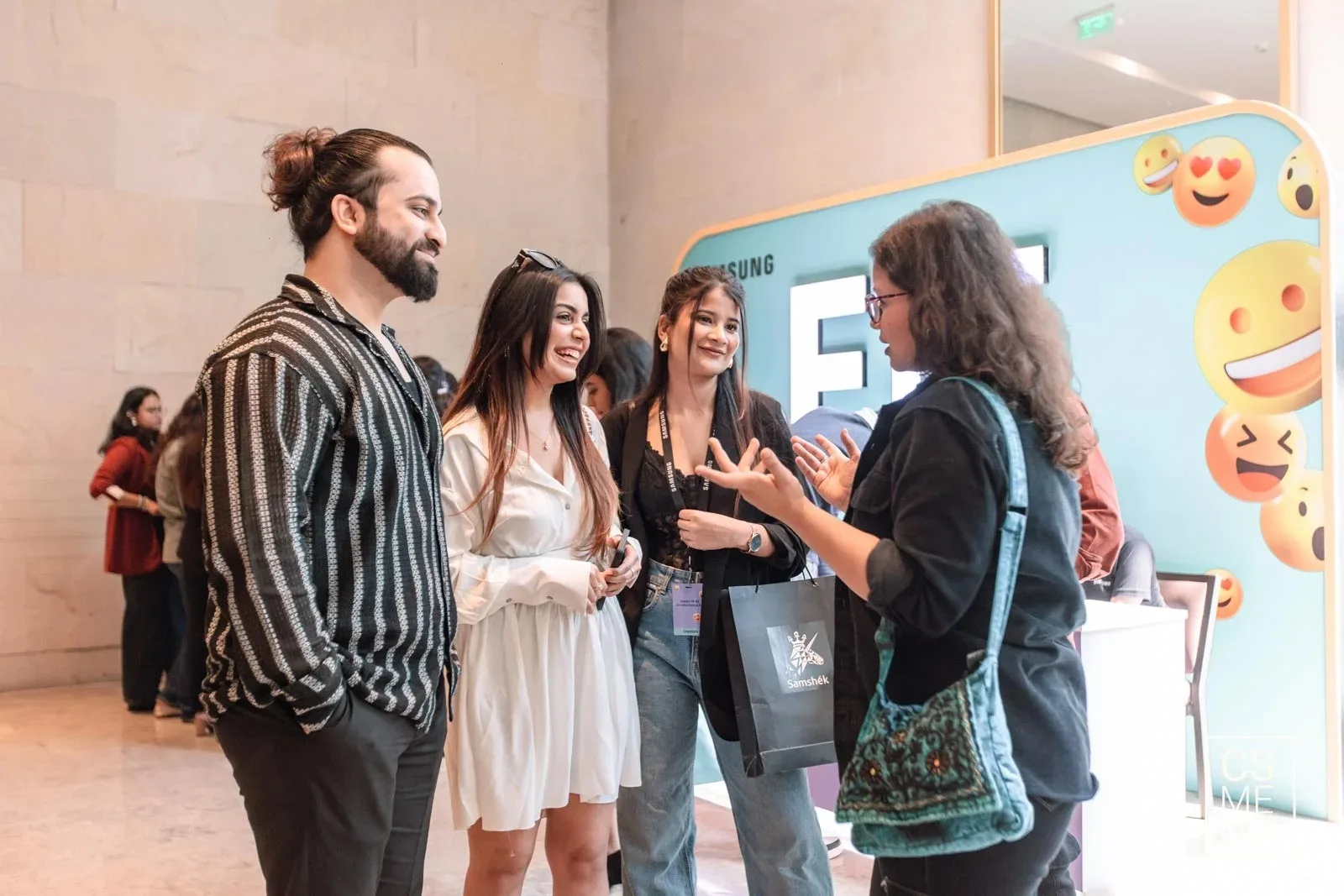
Marketing and PR teams require professional images within hours, not weeks. These visuals power real-time social media updates, press releases, internal communications, and investor announcements.
At the same time, audiences are growing increasingly skeptical of AI-generated imagery. Authentic, candid photographs of real people, real energy, and real leadership now carry more trust than polished synthetic visuals.
For Gen Z, partners, investors, and employees, human moments build credibility faster than any ad campaign.
From Memory-Making to Measurable Business Outcomes
The purpose of corporate event photography has shifted from “capturing memories” to delivering measurable business impact.
High-resolution, editorial-quality images elevate brand authority and make companies appear credible, organized, and investor-ready.
Photos of engaged audiences and packed halls become social proof in sales decks and proposals.
Professional documentation of successful events helps secure future sponsors and partnerships.
Internally, sharing candid leadership moments strengthens morale and humanizes the C-suite.
This is why CEOs and CMOs approve event photography budgets with confidence. They know the images will be repurposed across annual reports, PR campaigns, recruitment portals, investor presentations, and digital marketing for months and even years.
How Corporate Event Photography Is Executed
To meet modern standards, execution follows a highly structured, tech-forward approach.
Every event begins with a defined shot list. This includes keynote speakers with branding, audience reactions, networking exchanges, sponsor integrations, and leadership interactions.
Mirrorless cameras with high-speed lenses are standard for low-light conference halls. Drones are used for large venues and outdoor summits to capture scale and grandeur.
AI-powered platforms such as TurtlePic, vFairs, and KonfHub now deliver instant personalized galleries to attendees using facial recognition and QR codes.
Post-production no longer happens weeks later. On-site editing stations deliver hero shots while the event is still live.
Inclusive representation is also a strategic requirement. Companies ensure their visuals reflect the real diversity of their workforce and audience rather than token representation.
The Five Defining Corporate Event Photography Trends
1. Strategic Storytelling Over Staged Photography
Rigid group photos are being replaced by narrative-driven coverage.
Patagonia, for example, uses event photography to highlight sustainability practices and community engagement rather than just showcasing products. The result is a brand story that feels authentic and values-driven.
Today’s photography follows the full journey of an event, from behind-the-scenes preparation to keynote energy and closing conversations.
Leadership visibility has become central. Executives are captured in real moments of interaction, listening, speaking, and engaging. These images are now used in annual reports and global PR campaigns.
2. AI-Powered Workflows and Real-Time Delivery
Speed is now as critical as quality.
Global brands such as L’Oréal, Forbes, and Mercedes-Benz use platforms like TurtlePic to automate sorting and deliver instant private galleries to attendees.
AI handles background clean-up, basic retouching, and image categorization, allowing photographers to focus on creative composition and storytelling.
The business benefit is clear: faster delivery, higher attendee satisfaction, and immediate social media momentum.
3. Mobile-First and Hybrid Event Design
Content consumption is now predominantly mobile.
Vertical 9:16 framing is standard for LinkedIn, Instagram Reels, and short-form platforms.
Hybrid events are photographed with both physical and virtual audiences in mind. Visuals are designed to create a unified experience for in-person delegates and online participants.
TED Conferences exemplifies this approach by producing visuals optimized for websites, social platforms, press, and internal communications simultaneously.
4. Editorial Visual Aesthetics and Human-Centric Branding
Corporate photography now carries a cinematic, magazine-quality look.
There is also a growing trend toward retro and film-inspired aesthetics. Motion blur, flash-on candid frames, and subtle grain add a raw, human feel that contrasts with hyper-polished AI visuals.
The goal is to make corporate brands feel relatable, not robotic.
5. The Evolution of Corporate Headshots
Headshots have become leadership branding tools.
Modern executives prefer polished but natural portraits over heavy retouching. Dark neutral backgrounds such as charcoal and near-black are now dominant because they emphasize facial expression and presence.
These portraits are used across LinkedIn, media kits, keynote slides, and investor communications.
Why Top Management Fully Supports This Investment
Leadership measures success by outcomes, not attendance numbers.
Event photography is evaluated through KPIs such as media pickup, social engagement, email open rates, and website dwell time.
High-quality visuals increase press coverage probability.
Authentic event photos outperform stock imagery on social platforms.
Professional galleries increase conversion rates on event recap and landing pages.
Most importantly, these visuals bypass digital noise. In a crowded online world, live event experiences captured through powerful photography command attention and create real presence.
What the Future Holds
Looking ahead, AI will become even more embedded through smart cameras and advanced editing tools.
360-degree photography and AR-driven experiences will create immersive event highlights and virtual venue tours.
Sustainability will become a default expectation with digital-first delivery and minimal printing.
Event photography will also integrate more deeply with data analytics, helping companies understand attendee behavior and optimize future strategies.
Summary: Corporate Event Photography Trends
Corporate Event Photography Trends represent a fundamental shift in how leadership teams view visual communication. Event photography is no longer documentation. It is strategic infrastructure.
It builds brand authority.
It strengthens executive presence.
It fuels PR, recruitment, sales, and investor relations.
It creates long-term digital assets from moments that can never be repeated.
For modern enterprises, corporate event photography is now one of the most powerful tools for shaping perception, trust, and business growth.
Partner with CandidShutters Media
If your leadership summits, conferences, or product launches deserve to be transformed into strategic business assets aligned with Corporate Event Photography Trends, CandidShutters Media delivers future-ready visual storytelling built for authority, scale, and long-term ROI.
Let your next event become a communication engine that works for your brand all year long.
FAQ: Corporate Event Photography
1. What is corporate event photography?
Corporate event photography is the professional capture of moments from business events such as conferences, product launches, leadership summits, networking sessions, and award ceremonies. It focuses on documenting key moments, speakers, interactions, branding elements, and the overall atmosphere of the event so the organization can use the visuals for marketing, internal communication, and brand storytelling.
2. 10 Major Trends Influencing Corporate Event Photography in 2026
The landscape of corporate event photography is evolving quickly. Here are 10 major trends influencing corporate event photography in 2026:
- Candid storytelling over staged shots
- Branding-focused photography that highlights logos, stages, and brand identity
- Real-time content delivery for social media
- Drone photography for large venues and outdoor events
- Hybrid event coverage (photo + video + social content)
- Executive portrait moments during events
- Detail shots of stage design, installations, and event setups
- High-resolution images optimized for digital marketing
- Authentic networking and audience interaction coverage
- Visual storytelling that reflects company culture and leadership presence
These trends reflect how businesses now use event imagery as strategic brand content rather than simple documentation.
3. Corporate event photography tips
Here are some essential corporate event photography tips that help create impactful event visuals:
- Arrive early to understand the venue layout and lighting conditions.
- Capture a mix of wide shots, close-ups, and candid interactions.
- Focus on key moments like speeches, networking, and award presentations.
- Pay attention to branding elements such as signage, stage setups, and screens.
- Work discreetly so the event flow and guest experience remain uninterrupted.
Professional photographers often plan their shot list and scout the venue in advance to ensure important moments are captured effectively.
4. Why do we need professional event photographers for corporate events?
Professional event photographers bring experience, technical expertise, and storytelling ability that elevate the visual quality of corporate events. High-quality event photographs strengthen brand image, create marketing assets, and help businesses showcase their culture, leadership, and industry presence.
They also understand how to capture key moments, work with challenging lighting conditions, photograph VIP guests, and produce images that can be used across websites, PR campaigns, social media, and future event promotions.
Last updated on March 6th, 2026 at 03:23 pm

CandidShutters Media
Corporate Photography & Video Production Agency · Mumbai & Gurgaon · Est. 2012 · 14+ Years
International : Dubai · Sri Lanka · Malaysia · Thailand · Maldives · Worldwide