Why Static Photos Aren’t Enough for MICE Events: A Strategic Perspective for Decision-Makers
Why static photos aren’t enough for MICE events is no longer a creative debate, it’s a strategic reality. As MICE formats evolve into experience-led, nature-integrated and brand-critical engagements, static imagery alone fails to capture scale, intent, emotion and ROI. This article explains, with real-world logic and data-backed insights, why video-led visual documentation has become essential for leadership teams looking to extend brand value, stakeholder trust and long-term business impact from MICE investments.
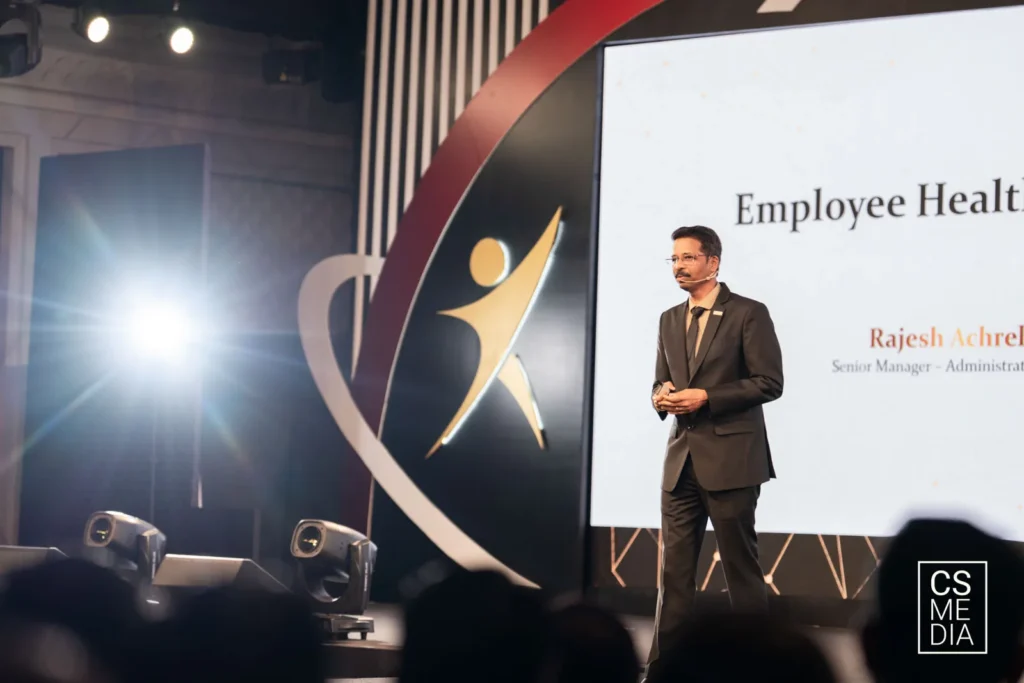
Why static photos aren’t enough for MICE events in today’s leadership-driven landscape
For CEOs, Founders and CMOs, MICE events are no longer logistical line items or annual calendar obligations. They are brand theatres – designed to signal intent, culture, innovation, and credibility to stakeholders who matter.
Yet, a critical disconnect persists.
While the investment, planning and strategic intent behind MICE events have evolved, the way these events are documented often has not. Static photography, though valuable, is still treated as the primary output – despite its growing inability to reflect the full strategic weight of modern MICE experiences.
This is precisely why static photos aren’t enough for MICE events anymore.
The shift: From controlled venues to vast, nature-led experiences
In the competitive world of MICE – Meetings, Incentives, Conferences and Exhibitions brands are increasingly moving away from enclosed convention halls toward open, nature-driven environments.
This shift is not aesthetic. It is strategic.
Hosting leadership summits, incentive offsites, or partner conferences amid mountains, forests, coastlines, or eco-resorts signals:
- Sustainability consciousness
- Progressive brand thinking
- Long-term stakeholder care
- A people-first leadership philosophy
For millennial and Gen Z professionals, now deeply embedded in decision-making layers, nature-based experiences are not “nice to have.” They are credibility markers.
However, this evolution introduces a documentation challenge that static photos alone cannot solve.
Static photos vs. video: A strategic distinction, not a creative one
Both photography and videography are essential. But they serve fundamentally different business purposes.
Where static photos deliver value
Static images excel at:
- Capturing high-precision moments
- Delivering fast, clean visuals for PR and media
- Supporting social headers, thumbnails and corporate decks
- Providing quick visual proof of attendance or scale
They freeze a moment in time – useful, controlled and efficient.
Where static photos fall short
What static images cannot capture:
- The movement of a leadership walk-through
- The energy of a keynote resonating with an audience
- The scale of a nature-integrated venue
- The emotion of incentive-driven participation
- The flow of interactions, discussions, and reactions
This limitation becomes especially visible in vast nature settings, where atmosphere and context are as important as attendance.
This is the core reason why static photos aren’t enough for MICE events that are designed to leave a strategic imprint.
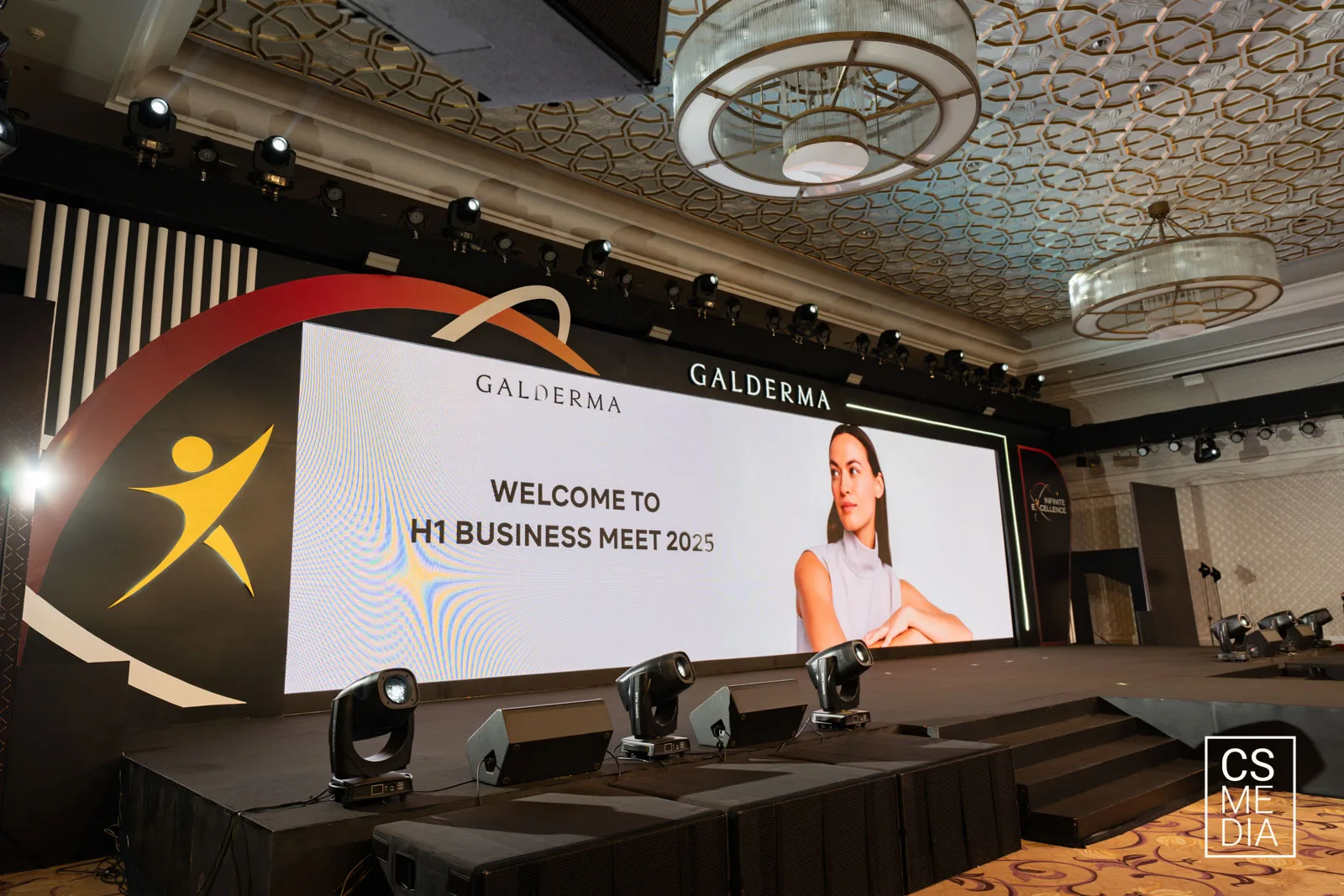
Why video aligns better with how leadership audiences process information
Market behavior and cognitive research consistently reinforce one reality: motion drives memory.
From a leadership perspective, three factors matter – attention, retention and trust.
Attention & recall
Human attention is biologically wired to respond to motion and sound. Video content delivers up to 41% higher engagement and significantly stronger brand recall than static formats.
For leadership teams evaluating post-event outcomes, recall is currency.
Information retention
Viewers retain approximately 95% of a message delivered through video, compared to roughly 10% through text or static visuals.
This is not a creative metric, it is a decision-making advantage.
Trust and perceived modernity
Video allows brands to demonstrate, not explain:
- Environmental responsibility
- Event scale
- Audience engagement
- Execution quality
Within seconds, leadership audiences can assess whether a brand operates with modern sophistication or outdated communication practices.
Real-world implication: How decision-makers actually use MICE content
For senior leadership, event content is not consumed casually. It is used strategically.
A single, well-produced MICE video asset becomes:
- Proof of execution during board reviews
- Validation for future sponsor conversations
- A credibility layer in investor or partner decks
- A reference point for future internal alignment
Static images, in isolation, rarely fulfill these roles effectively.
This is where why static photos aren’t enough for MICE events shifts from theory to operational reality.
MICE documentation as a long-term content asset, not an event deliverable
One of the most overlooked leadership opportunities lies in post-event content lifecycle management.
A nature-based MICE event, when documented correctly, creates a content ecosystem that can fuel brand narratives for up to 12 months.
Strategic multipurpose usage
- Future sales & partnerships
Event films and reels act as visual testimonials, demonstrating ROI, participation quality and experiential depth to future sponsors or partners. - Employer branding & recruitment
Authentic visuals of teams engaging in expansive nature settings humanize leadership and culture, critical for attracting senior and mid-level talent. - SEO & web engagement
Embedded videos increase website dwell time, while optimized stills with contextual alt-text strengthen organic search visibility. - Sales and investor communication
High-quality visuals integrated into pitch decks elevate perception and reduce narrative friction.
This is not marketing repurposing. It is strategic asset leverage.
Platform-wise distribution: Speaking each channel’s language
Leadership-driven brands do not distribute content uniformly. They architect presence.
| Platform | Content Format | Strategic Objective |
| Long-form videos, leadership panels, professional stills | Authority, B2B trust | |
| Instagram / TikTok | Short reels, behind-the-scenes stories | Brand energy, cultural relevance |
| YouTube | Full sessions, documentaries, workshops | Long-term discovery |
| Video thumbnails, animated GIFs | Higher CTR, stakeholder engagement | |
| Corporate Website | Event hubs, on-demand replays | SEO foundation, institutional memory |
Static images alone cannot adapt to this multi-platform complexity.
Implementation logic: Designing MICE coverage for maximum impact
Leadership teams benefit most when documentation is planned, not reactive.
Key principles:
- Design for repurposing: Capture horizontal and vertical formats simultaneously.
- Think beyond the event day: Document narratives, not just moments.
- Leverage AI-enabled distribution: Tools that allow attendees to discover and share their own moments accelerate organic brand amplification.
- Transcribe video for SEO: Turning spoken insights into written assets multiplies discoverability without repeating effort.
This approach transforms MICE documentation into a strategic marketing engine, not a storage folder.
Who should be trusted with documenting nature-based MICE events
Not all production teams are equal – especially in complex environments.
Expertise matters
Nature-based MICE events demand:
- Advanced manual focus control
- Gimbal and motion stabilization
- Environmental light mastery
- Patience for unscripted moments
Teams with backgrounds in wildlife, documentary, or cinematic storytelling are structurally better equipped.
Decision-maker hiring criteria
Leadership teams should evaluate:
- Evidence of data-driven storytelling
- Ability to balance aesthetics with marketing logic
- Proven experience blending brand intent with environmental context
Equipment standards
Professional-grade systems capable of high-frame-rate capture and cinematic output are non-negotiable for modern brand communication.
The Strategic Inflection Point for Modern MICE Leaders
If you have read this far, one reality should be clear: the conversation is no longer about content formats, it is about strategic leverage.
MICE events today sit at the intersection of brand positioning, leadership credibility, employer branding and long-term stakeholder trust. When such high-intent environments are documented only through static imagery, organizations unintentionally cap the value of their own investment. The event may have been immersive, expansive and emotionally resonant, but its afterlife becomes flat, fragmented and short-lived.
This is where leadership judgment comes in.
Understanding why static photos aren’t enough for MICE events allows decision-makers to re-frame documentation as a business asset rather than a creative output. Video-led storytelling does not replace photography; it completes the narrative, captures context at scale and preserves the intangible elements – energy, intent, atmosphere that senior stakeholders actually respond to when evaluating impact.
For leadership teams focused on longevity, recall and strategic reuse, the question is no longer whether to evolve, but how deliberately that evolution is executed.
A Decision on Documentation Is a Decision on Brand Memory
Every MICE event leaves behind two outcomes:
what happened on-ground, and what the market remembers afterward.
Choosing how your event is documented determines whether it becomes a one-time execution or a long-term brand reference point. This is not a marketing decision delegated downward; it is a leadership call that directly influences how your organization is perceived by partners, talent, sponsors, and future stakeholders.
If your team is already acknowledging why static photos aren’t enough for MICE events, the next logical step is to work with specialists who understand both visual storytelling and business intent.
CandidShutters Media partners with leadership teams to document MICE events as strategic brand assets – designed for authority, recall, and multi-platform relevance long after the event concludes.
The real question is not whether your event deserved better documentation.
It’s whether your brand can afford to let its most powerful moments fade into silence.
FAQ's
1. Why are static photos no longer enough for MICE events today?
Static photos capture moments, but MICE events today are about experience, engagement, and storytelling. With businesses focusing on immersive brand presence and real-time interaction, dynamic formats like video and hybrid content help extend event impact beyond the venue.
2. How does video content improve ROI for corporate MICE events?
Video content allows brands to repurpose event moments into marketing assets from internal communication to social media and future promotions. It increases engagement, improves recall, and helps decision-makers justify event spend with measurable outcomes like reach and audience interaction.
3. What type of media coverage works best for conferences and corporate events in India?
For conferences and corporate events in India, a mix of cinematic highlight videos, speaker snippets, live coverage, and professional photography works best. This hybrid approach aligns with how modern audiences consume content – short, visual, and shareable across platforms.
4. How can businesses use MICE event content after the event is over?
Post-event content can be used for brand marketing, recruitment, investor communication, and thought leadership positioning. MICE events are powerful for building visibility and industry authority, especially when content is strategically repurposed.
5. What should decision-makers look for when hiring a MICE event photography and videography team?
Decision-makers should prioritise teams that understand corporate storytelling, brand positioning, and multi-format delivery, not just photography. Look for experience in handling large-scale events, fast turnaround times, and the ability to create content that serves both immediate and long-term business goals.
Last updated on July 2nd, 2026 at 06:59 pm

CandidShutters Media
Corporate Photography & Video Production Agency · Mumbai & Gurgaon · Est. 2012 · 14+ Years
International : Dubai · Sri Lanka · Malaysia · Thailand · Maldives · Worldwide