Pre-Production for Corporate Films & CSR Documentaries: From Brief to Shoot-Day Readiness
What goes into the corporate film pre-production? A closer look at the research, storytelling, creative decisions and production groundwork behind a well-executed shoot.
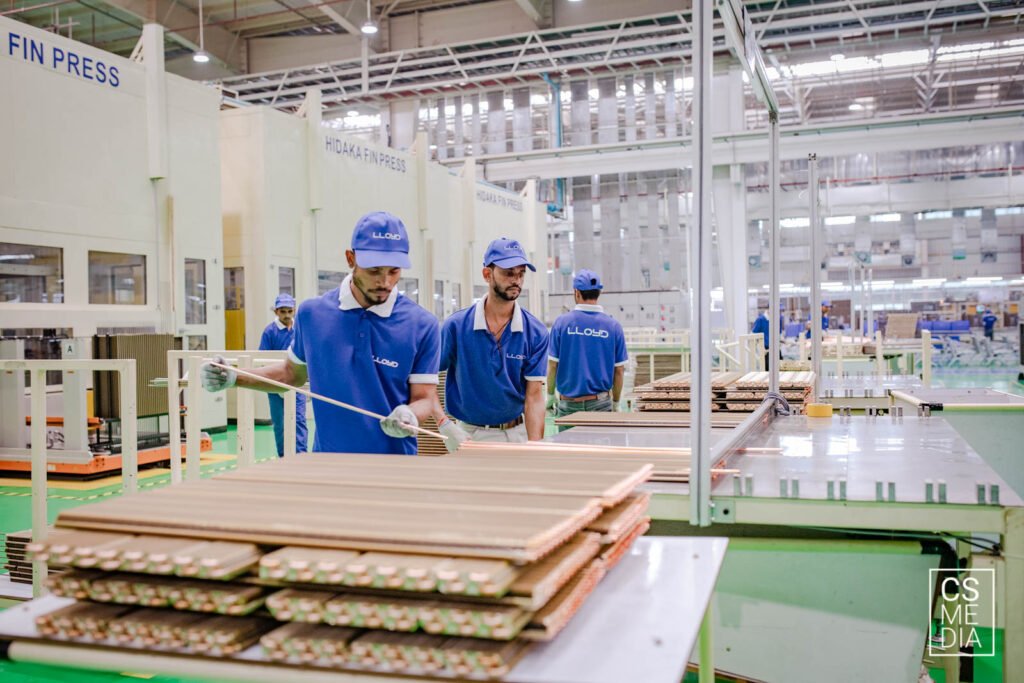
A corporate film can look effortless when everything comes together. The narrative flows, the visuals support the message, the interviews feel natural and the different elements connect.
What isn’t visible is the work that made those decisions possible.
Before filming a manufacturing facility, a production team needs to understand its operations. Before documenting a CSR initiative, it needs to understand the programme, the people involved and what the film must demonstrate. Before interviewing a business leader, it needs to know what that conversation should contribute to the story.
These are not decisions to leave until shoot day.
At CandidShutters Media, pre-production is where we bring together the communication objective, the story, the creative approach and the realities of filming in working environments.
It involves far more than preparing a schedule or selecting equipment. It is the process of understanding what the film needs to communicate and developing a practical plan to capture it.
Here is how we approach the ten interconnected stages for CSR documentary and corporate film pre-production.
1. Understanding the Brief and Film Objective
A brief usually tells us what the client wants to produce. Our first task is to understand why.
A corporate film may be intended to demonstrate manufacturing capabilities, introduce an organisation, build stakeholder confidence or communicate a strategic initiative.
A CSR documentary may need to explain a social or environmental challenge, show how an intervention works and communicate its relevance to the people involved.
These objectives require different storytelling approaches.
Before thinking about shots, we establish the intended audience, the central message and what viewers should understand, feel or remember.
We also examine how the finished content will be used. A film for a leadership presentation may need a different narrative structure from one intended for public communication or social media.
Looking beyond the corporate message
A client brief may contain programme achievements, business milestones and key messages. All of these may be important but they do not automatically form a compelling film.
The production team needs to identify the story within that information.
What is the central problem or question? What makes the subject relevant? Which people or processes can help communicate it credibly?
This is where creative development begins.
Our guiding principle is story before shots. Once we understand what the film needs to say, we can make more informed decisions about how to show it.
2. Research and Story Discovery
Research helps us move beyond the information provided in the initial brief.
For an industrial film, that means understanding the facility, manufacturing processes, products, workforce and operational capabilities.
For a CSR documentary, it involves studying the programme, implementation model, geography, stakeholders and the challenge being addressed.
The objective is not to become a technical expert in every subject. It is to understand the material well enough to recognise what is important, ask relevant questions and represent the subject accurately.
Understanding what needs to be demonstrated
Consider a documentary about water stewardship.
The programme may involve check dams, water storage structures, irrigation systems, agricultural practices and community institutions.
These interventions serve different purposes. A structure that helps conserve or recharge water cannot be represented in the same way as an agricultural practice designed to improve water-use efficiency.
Understanding these distinctions changes the visual plan.
Rather than filming generic landscapes or water-related activities, we identify the processes, interactions and details that help explain how each intervention works.
Research also helps us determine which people can provide relevant perspectives and what information needs to be verified before filming.
The better we understand the subject, the more purposeful our storytelling decisions become.
3. Developing the Story and Identifying Characters
Corporate documentaries need narrative structure, even when the events and people are real.
We begin by identifying the central narrative: the situation, the challenge, the response and the progression that will help the audience understand the subject.
Then we consider who can carry that story.
An organisational leader may explain the broader objective. An implementation partner may describe how a programme operates. An employee or community member may offer direct experience that makes the subject more tangible.
Each voice should contribute something distinct.
Finding a narrative within a larger programme
Consider a skill-development initiative offering several training programmes.
The film may need to represent all of them but giving each programme equal screen time may result in a sequence of disconnected activities.
A participant whose experience reveals a meaningful challenge or opportunity may provide a stronger narrative thread.
For example, the experience of a woman learning welding in a traditionally male-dominated trade can offer a human perspective on a wider skills initiative.
The other programmes can still be represented through carefully planned visuals and supporting voices.
This distinction matters.
Coverage ensures that relevant information is included. Storytelling determines how that information becomes meaningful.
The objective is not to manufacture emotion or force a predetermined narrative onto real people. It is to identify the most credible way to communicate the story already present.
4. Planning Interviews and Testimonials
Interviews often provide the substance of a corporate documentary.
But a long list of interviewees does not necessarily produce a stronger film.
During pre-production, we establish what each conversation needs to contribute.
A senior leader may explain strategic intent. A technical expert may clarify a process. A community participant may share a direct experience. An implementation partner may explain the work happening on the ground.
If every person is asked the same general questions, the film can become repetitive.
Moving beyond prepared answers
We prepare questions that encourage specificity.
What challenge existed? What happened? What decisions were made? What changed? Can the interviewee explain a particular example?
These questions are often more useful than asking someone to describe an initiative as successful or impactful.
The same principle applies to corporate testimonials. A specific account of an experience or problem solved usually communicates more than general praise.
Interview planning also involves choosing suitable locations, considering background activity, evaluating sound and lighting conditions and coordinating the availability of participants.
Importantly, we identify the visuals needed to support each conversation.
An interview may explain a manufacturing process but the edit also needs footage that demonstrates it.
The strongest interviews are supported by visual evidence, not left to carry the entire film through spoken explanation.
5. Recce and Location Scouting
A location recce connects the creative plan with the realities of the filming environment.
It is where we test assumptions made during research and story development.
A manufacturing facility may appear visually impressive but the production team still needs to understand how it operates.
Which processes run at specific times? Where can cameras be positioned? Which areas have restricted access? Can filming take place without disrupting operations?
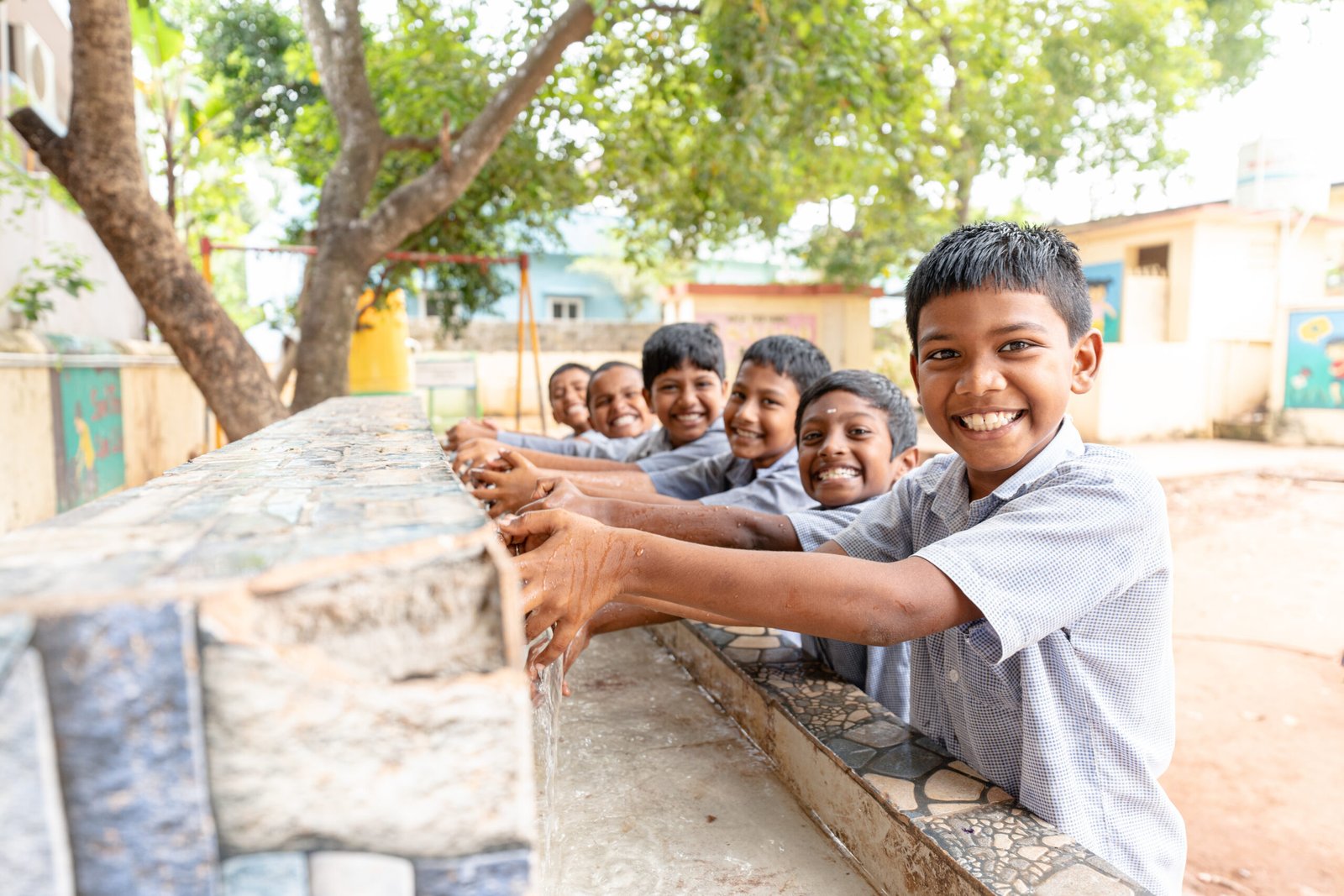
For a documentary, the considerations may include travel conditions, community activities, subject availability, daylight and the timing of interventions.
Looking beyond attractive locations
Our recces focus on what the film needs from each location.
We assess possible frames, camera movement, natural and artificial light, environmental sound, interview spaces, equipment access and safety requirements.
We also identify moments that cannot easily be recreated.
A manufacturing process may operate only during a particular shift. Agricultural activity may depend on the time of day or season. A community meeting may happen during a limited window.
These details directly influence the production schedule.
For multi-location documentaries, route planning becomes part of the recce. The closest location geographically may not be the next location we should film.
A recce is not simply about finding where to shoot. It is about understanding what can realistically be captured, when and how.
At CandidShutters Media, we never shoot blind. Preparation gives us the information needed to make better decisions when filming begins.
6. Developing the Visual Treatment
Once the story, people and locations are understood, we begin shaping the visual language of the film.
This includes decisions about framing, camera movement, lighting, lenses, composition, colour and the balance between observational and directed footage.
The visual treatment should reflect the nature of the subject.
An industrial film may need to communicate scale, precision and operational capability. A leadership film may benefit from controlled compositions and a consistent visual environment.
A CSR documentary may require a more observational approach that retains the character of real locations and interactions.
Cinematic is not always complicated
A dramatic camera movement or elaborate lighting setup is not automatically the right creative choice.
Sometimes a carefully composed static frame communicates more. Sometimes allowing an activity to unfold naturally is more effective than directing it.
The decision depends on what the audience needs to understand and how the subject should be represented.
Visual treatment must also remain practical.
A location may restrict camera movement. A real activity may not be repeatable. Additional lighting may be unsuitable in a particular operational environment.
These considerations should inform the creative approach before shoot day.
Good visual treatment makes the story clearer. It doesn’t exist simply to make every frame look impressive.
7. Shot Planning and Coverage
A production can return with hundreds of visually strong shots and still lack the footage needed to construct a coherent film.
This is why we plan coverage around sequences rather than isolated frames.
For an industrial film, showing a process may require an establishing shot, the operator at work, close-ups of critical actions and footage connecting one production stage to another.
For a CSR documentary, an intervention may need to be established through its location, the activity itself, the people involved and the wider context.
For a corporate event, meaningful coverage may depend on the relationship between speakers, audience reactions, interactions and key moments.
Thinking about the edit before the shoot
We consider what the editor will need to connect the narrative.
Are there enough visuals to support interview statements? Can a process be understood without excessive explanation? Do we have transitions between locations and activities?
We also plan for cutaways, details, environmental sound and moments that provide continuity.
These elements may appear secondary during filming but become essential in post-production.
A shot plan should establish the necessary coverage without restricting the crew’s ability to recognise unexpected opportunities.
A good shot list tells us what to film. A good coverage plan helps ensure we can tell the story with what we film.
8. Scheduling and Production Logistics
A documentary schedule is not simply a list of locations divided across available shoot days.
It must account for the availability of people, the timing of activities, travel, lighting conditions, setup requirements and operational constraints.
A particular process may run only in the morning. An interviewee may have a limited window. An outdoor sequence may require a specific quality of light.
These factors influence the order in which we film.
Building the schedule around priorities
We identify the story-critical sequences first.
Then we plan interviews, supporting coverage, location movements and equipment setups around them.
For remote documentary productions, route planning can significantly affect what is achievable in a day.
A household sequence, agricultural activity, community interaction and intervention location may each have different filming requirements.
The most efficient schedule is not necessarily the one with the shortest travel distance.
It is the one that protects the important moments while remaining realistic about time and logistics.
We also account for contingencies.
Weather changes, people become unavailable and operational schedules shift.
A good documentary schedule provides structure without eliminating the flexibility that real environments demand.
9. Crew and Equipment Planning
Equipment should be selected according to the story, visual treatment and filming conditions.
A larger camera package does not automatically mean better production.
A controlled leadership interview may require a carefully planned lighting and sound setup.
An industrial location may demand compact equipment, safe camera positions and minimal disruption to operations.
A remote documentary may benefit from a mobile crew capable of moving efficiently between locations.
The same thinking applies to crew size and responsibilities.
Multiple simultaneous activities, complex lighting, sound requirements or multi-location coordination may call for additional crew and production support.
The recce and shot plan help determine these needs.
We also assess practical requirements such as power, access routes, equipment movement, storage and the feasibility of specialised shots.
The production package should follow the requirements of the film, not determine the film’s creative approach.
10. Final Production Readiness
The final stage of pre-production is bringing the creative and operational plans together.
By this point, the story priorities, locations, interviews, visual treatment and essential coverage should be clear.
The remaining work is ensuring that the production can be executed.
This includes finalising schedules and call sheets, confirming crew and equipment, coordinating with client and local representatives, checking permissions and releases and reviewing transport, accommodation and safety requirements.
For industrial shoots, site protocols, restricted areas and protective equipment need to be addressed with the relevant facility teams.
For documentaries, local coordination and participant availability require particular attention.
Data management is part of readiness
Planning how footage will be recorded, handled and backed up begins before filming.
Media capacity, card rotation, storage, backup responsibilities, batteries and charging arrangements all need consideration.
These details may not influence the creative concept but they protect the work once production begins.
Final readiness is about ensuring that the different elements of the shoot support one another.
A strong creative plan is only useful if the production team is prepared to execute it.
Why Pre-Production Matters to the Finished Film
Real environments are unpredictable.
A location may change. An interview may reveal an unexpected perspective. A process may take longer than anticipated. A documentary moment may emerge that was never part of the original shot list.
Good pre-production doesn’t eliminate these possibilities.
It gives the crew a clearer understanding of what matters, what can be controlled and where flexibility is needed.
For corporate clients, it supports better coordination, more informed production decisions and a clearer connection between the communication objective and the finished film.
For the production team, it creates room to concentrate on the people, processes and moments that make the story meaningful.
At CandidShutters Media, we see pre-production as part of the filmmaking process itself.
Our approach brings together research, storytelling, visual planning and on-ground execution so that creative decisions remain grounded in the realities of the subject and location.
Because a strong corporate film is not simply a collection of beautifully captured visuals.
It is the result of knowing what needs to be communicated, recognising what matters and planning how the story will come together before the cameras roll.

CandidShutters Media
Corporate Photography & Video Production Agency · Mumbai & Gurgaon · Est. 2012 · 14+ Years
International : Dubai · Sri Lanka · Malaysia · Thailand · Maldives · Worldwide