Inside India’s Largest MICE Venues: What Event Photographers Need to Know
India’s MICE sector has scaled dramatically, and so have the production challenges that come with photographing inside it. From the cavernous halls of Bharat Mandapam to the multi-pavilion layout of India Expo Mart, the country’s top conference and exhibition venues each present a distinct set of lighting, access, logistics, and timing challenges. If you’re an event photographer for conferences in India, or a corporate client trying to brief one, this is what the venues actually look like from behind the lens.
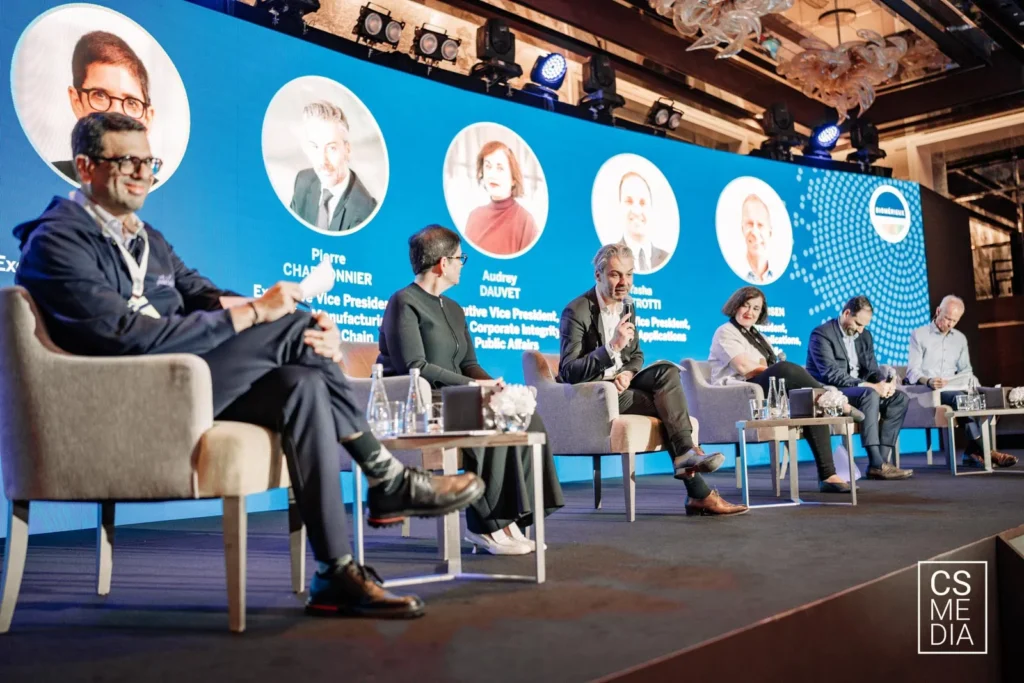
There’s a version of MICE photography in India that looks impressive in a brief and falls apart on the floor.
The venue is booked. The schedule is confirmed. The event photographer for conferences arrives with the right equipment. And then the actual space reveals itself: a 10,000-square-foot plenary hall with stage lighting that the AV team just changed three hours before the keynote, a breakout corridor that runs parallel to the main hall with zero natural light, and a delegate registration area where 600 people are trying to move in the same direction at once.
India’s largest MICE venues are genuinely impressive infrastructure. They’re also genuinely complex photography environments. The difference between a team that has worked in these spaces before and one that hasn’t shows up immediately in the visual output, and takes the rest of the post-production process to partially fix.
This guide is not a ranking of venues. It’s a working knowledge document: what each of India’s major conference and exhibition venues actually presents as a photographic environment, and what a well-prepared event photography team should anticipate before walking in.
Bharat Mandapam, New Delhi - Scale Is Both the Asset and the Challenge
Bharat Mandapam is currently India’s largest convention centre and one of the largest in Asia. It became internationally prominent following the G20 Summit in 2023 and has since hosted a range of government-organised conferences, trade expos, and large-scale institutional events.
From a MICE photography standpoint, the venue’s primary characteristic is sheer volume. The main convention hall has a ceiling height and floor area that make wide-angle coverage straightforward in theory and technically demanding in practice.
What event photographers need to know:
- Stage lighting at Bharat Mandapam tends to be high-intensity theatrical rigging managed by the event’s AV team, not the venue. This means colour temperature, beam angle, and key light positioning are determined event-by-event, not consistent from shoot to shoot. A pre-event briefing with the AV team or a technical advance visit is not optional at this scale, and it’s the difference between usable stage photography and an afternoon of correction work.
- The sheer depth of the hall means that a single photographer covering the plenary session will spend most of the keynote dealing with a tradeoff between focal length and position. Getting access to multiple coverage positions from front-of-stage, mid-hall, and a balcony or elevated angle if the venue allows is standard practice for professional MICE photography India coverage at this kind of event.
- Delegate interaction zones, networking areas, and registration are typically managed in the atrium or foyer spaces, which at Bharat Mandapam have better ambient light and a more manageable scale. These areas often produce some of the most useful brand and communications imagery from a corporate event – human-scale moments of engagement that complement the wide architectural shots.
- For government and ministerial events at Bharat Mandapam, protocol access matters significantly. Understanding which zones require clearance, where the press pool is positioned, and when dignitaries move through the space is logistical knowledge that comes from having covered events in this environment before.
India Expo Mart, Greater Noida - Multi-Pavilion Complexity
India Expo Mart in Greater Noida is the primary large-format exhibition venue for the Delhi NCR region. It hosts a significant volume of B2B trade shows, sector-specific expos, and parallel-track conference events. Its layouts are multiple connected pavilions rather than a single hall that creates a photographic environment that is fundamentally different from a single-room convention format.
What event photographers need to know:
- Movement between pavilions is a constant variable. At a large expo, key moments, and a product launch in Hall 8, a VIP walkthrough in Hall 12, a networking reception in the open plaza that happen simultaneously. An event photography brief at India Expo Mart requires clear prioritisation from the client: what coverage hierarchy exists across the event programme, and who decides when the photographer moves.
- Natural light enters through skylights in some pavilions and is absent in others. The lighting across a single day’s shoot can shift dramatically from pavilion to pavilion, requiring quick recalibration. Photographers who haven’t shot in multi-pavilion exhibition environments often underestimate this variability and apply the same settings across the day, producing inconsistent results.
- Exhibitor stands at India Expo Mart are typically managed by individual brands, each with their own lighting setup, branding density, and spatial logic. Corporate photography India clients who want their own stand documented at a trade expo are effectively asking for product and brand photography within the larger event context – a different brief from overall event coverage.
- For MICE photography India teams covering the overall event rather than a single exhibitor, the challenge is editorial: what story does the expo tell? The answer is usually found in the keynote stage coverage, the walkthrough moments with leadership or VIP guests, and the delegate density that signals the event’s scale and significance.
JECC - Jaipur Exhibition and Convention Centre - Regional Scale, High Production Value
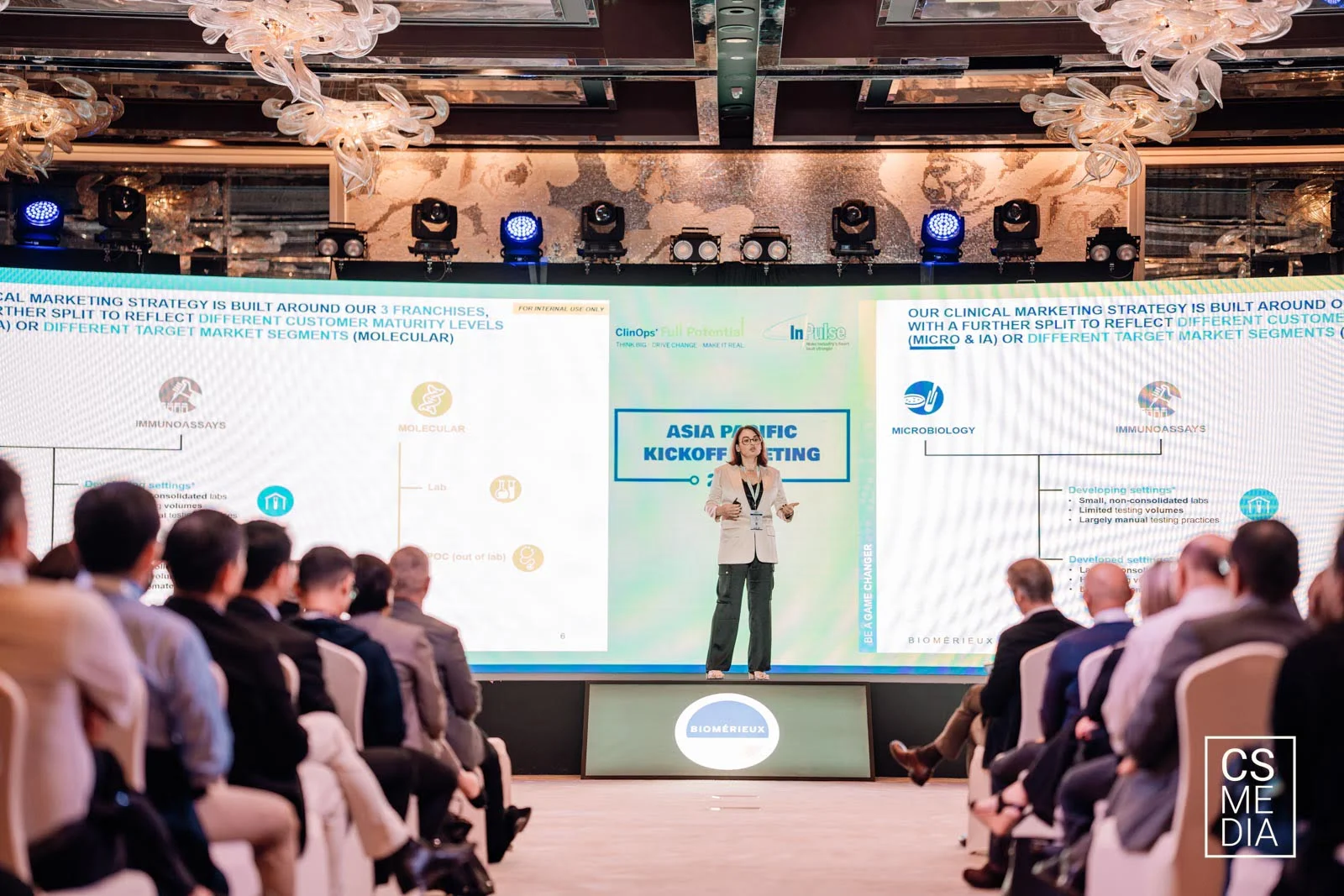
JECC has become one of India’s most significant regional convention destinations. It hosted Dermacon 2025, India’s national dermatology congress, and has been the venue for a growing portfolio of professional association conferences, government conclaves, and industry events. Its significance for MICE photography India lies in what it represents: a tier-two city venue with genuine tier-one production ambitions.
What event photographers need to know:
- JECC’s convention hall is well-suited to plenary and keynote coverage, with stage configurations that allow for reasonable photographer positioning. The challenge here is less about the venue’s infrastructure and more about the event-specific variables: stage design, audience arrangement, and whether the AV team has left clean angles for documentation.
- Events at JECC frequently involve professional association or government co-organisation, which means protocol is present even if it’s less intensive than a central government event in Delhi. Scientific conferences and medical congresses, which JECC regularly hosts, have specific documentation needs: speaker credentials on screen, award presentations, and delegate interaction that signals peer community rather than corporate hierarchy.
- For an event photographer for conferences working at JECC, the logistics question is primarily about Jaipur-based production resources versus teams travelling from Delhi NCR or Mumbai. Both are viable; the difference is in briefing depth. A team that has previously covered events at JECC will have working knowledge of the venue’s lighting infrastructure, loading logistics, and operational rhythms that a first-time team will need to build in advance.
Bombay Exhibition Centre (NSE Complex), Mumbai - The Infrastructure Event
Bombay Exhibition Centre is Mumbai’s primary large-format exhibition venue and has hosted a broad range of B2B expos, trade shows, and industry events over decades. It is less architecturally designed for conference formats than Bharat Mandapam, but it remains a critical venue for MICE photography India coverage of the western region’s exhibition calendar.
What event photographers need to know:
- BEC is an older facility, and its lighting infrastructure reflects that. Artificial ceiling lighting in the exhibition halls is functional rather than photographic. This is the kind of venue where bringing supplementary lighting is a practical conversation, not an optional upgrade particularly for any element of the programme that requires quality portrait-level documentation of speakers, VIPs, or award recipients.
- The venue’s proximity to the airport and its position in the larger Mumbai exhibition ecosystem mean that events here often run on compressed logistics timelines. Multi-day events at BEC tend to have more consistent patterns by day two and three, but opening day documentation requires a photographer who can work quickly in a changing physical environment.
- Mumbai-based corporate photography teams will have working knowledge of BEC’s standard configurations. Teams visiting from outside Mumbai should factor in a site visit or advance technical call to understand the specific hall layout for their event.
Hyderabad International Convention Centre (HICC) - The Academic and Association Standard
HICC is one of India’s most established international-standard convention facilities and has been the venue for a significant volume of professional association conferences, global academic events, and international institutional gatherings. For event photographers working in conference photography India, HICC represents the format in which production quality expectations are consistently high.
What event photographers need to know:
- HICC is genuinely well-designed for conference photography. The plenary hall has sightlines and stage configurations that allow for multiple photography positions without the extreme depth-management challenges of some larger venues. The breakout rooms and pre-function areas have better ambient light management than comparable venues elsewhere.
- International conferences at HICC often involve multi-nationality delegate groups, simultaneous interpretation setups, and a more formal protocol environment than domestic industry events. An event photographer for conferences working here needs to be familiar with the pace and access conventions of international academic and professional events – which are different from corporate product launches or dealer meets.
- HICC’s existing infrastructure for high-quality AV production means that stage lighting is often managed at a level of sophistication that actually benefits photography – warmer colour temperatures, more deliberate key and fill management. This doesn’t eliminate the need for advance communication with the AV team, but it does mean the starting conditions are typically better than at venues where stage lighting is more improvised.
Hitex Exhibition Centre, Hyderabad and Trade Fair Authority Venues - The Exhibition-First Environment
Hitex, along with the various Trade Fair Authority venues in major metros, represents a category of MICE venue where the primary function is exhibition rather than conference. These spaces host sector expos, product launches within larger trade events, and B2B networking events where the visual environment is determined almost entirely by individual exhibitor stand design rather than central venue infrastructure.
What event photographers need to know:
- Exhibition-first venues require a fundamentally different approach from conference-first venues. There is no single stage and no defined primary moment. The photography brief is editorial by necessity – the team is documenting a space that is generating multiple simultaneous stories.
- Lighting variability is at its most extreme in exhibition environments. Stands may use LED panels, neon signage, display screens, or overhead spotlights, and the surrounding aisles may be lit only by the venue’s base ceiling system. White balance management across a single afternoon at an exhibition venue is a practical skill that separates experienced corporate photography India teams from those more accustomed to controlled environments.
- For clients who are exhibiting at a trade event rather than organising it, the brief is typically about their stand, their spokesperson moments, and their visitor interactions. This is a different shoot from overall event coverage and should be briefed separately.
What This Actually Means for MICE Photography in India
India’s MICE sector has grown to a scale where the venues themselves are no longer the bottleneck. Bharat Mandapam, HICC, JECC, BEC, and the major exhibition centres in each metro can all host world-class events. The variable, and it’s a significant one is the photographic team’s working knowledge of each environment.
An event photographer for conferences who has spent years covering corporate events in India will arrive at any of these venues with a set of instincts that aren’t in any brief: where the ambient light will be at 3pm in that hall, why the stage at that venue needs a 70-200mm from the third row rather than a 24-70mm from the front, how to manage movement between pavilions at a multi-track expo without missing the priority moments, what the protocol conventions are at a government-organised trade event.
That working knowledge is not interchangeable with technical equipment skill. Both matter. But at the scale of India’s major MICE venues, the team that has been in the room before will consistently produce more useful, more accurate, and more brand-aligned visual documentation than the technically capable team encountering the environment for the first time.
Work With a Team That Has Been in These Rooms
CandidShutters Media has spent 14 years covering corporate events, institutional conferences, and large-scale MICE events across India. From government-organised trade expos at Bharat Mandapam and India Expo Mart to professional association conferences at JECC and HICC, the work is built around one principle: MICE photography India demands venue fluency, not just camera skill.
If you’re planning conference photography coverage for a large-format event and want to speak with a team that has genuinely worked at the venue you’re using, get in touch.
FAQ
1. What makes MICE photography in India different from standard event photography?
MICE events in India operate at a scale and protocol complexity that standard event photography approaches don’t anticipate. The combination of large venue footprints, multi-track programming, VIP and ministerial access protocols, AV-driven lighting environments, and compressed delivery timelines means that MICE photography is a distinct discipline. The most significant differentiator is prior venue and format experience knowing the photographic environment before you walk in changes the quality of what you can produce in it.
2. How far in advance should an event photographer for conferences be briefed for a large MICE event?
For events at major venues like Bharat Mandapam, HICC, or India Expo Mart, a briefing cycle of at least two to three weeks before the event is standard. This allows time for a venue recce or technical advance, AV coordination, a detailed shot list or priority moment brief, and clarity on deliverables and post-production timelines. Events with government protocol elements or live streaming requirements should be briefed earlier.
3. Is it better to hire a local photographer or a team that travels to the venue city?
The more relevant criterion is venue and format experience, not geography. A team based in Delhi that has covered 20 events at India Expo Mart will outperform a Noida-based photographer who hasn’t. That said, logistics and operational coordination are real variables for multi-day events in non-home cities, and a team with demonstrated experience travelling for corporate events will have protocols in place to manage those logistics professionally.
Last updated on June 30th, 2026 at 07:01 pm

CandidShutters Media
Corporate Photography & Video Production Agency · Mumbai & Gurgaon · Est. 2012 · 14+ Years
International : Dubai · Sri Lanka · Malaysia · Thailand · Maldives · Worldwide