Campus Tour Videos for Recruitment: Why They Work
Why Recruitment Needs Campus Tours is no longer a branding conversation, it is a risk-mitigation and conversion strategy. In an era where candidates reject offers based on culture mismatch, lack of transparency, or emotional disconnect, campus tours function as a decision accelerator. They replace assumptions with evidence, intent with commitment, and curiosity with confidence. This blog explains why campus tours have shifted from a “nice-to-have” to a boardroom-level recruitment asset, and how leadership teams are using them to win the talent war.
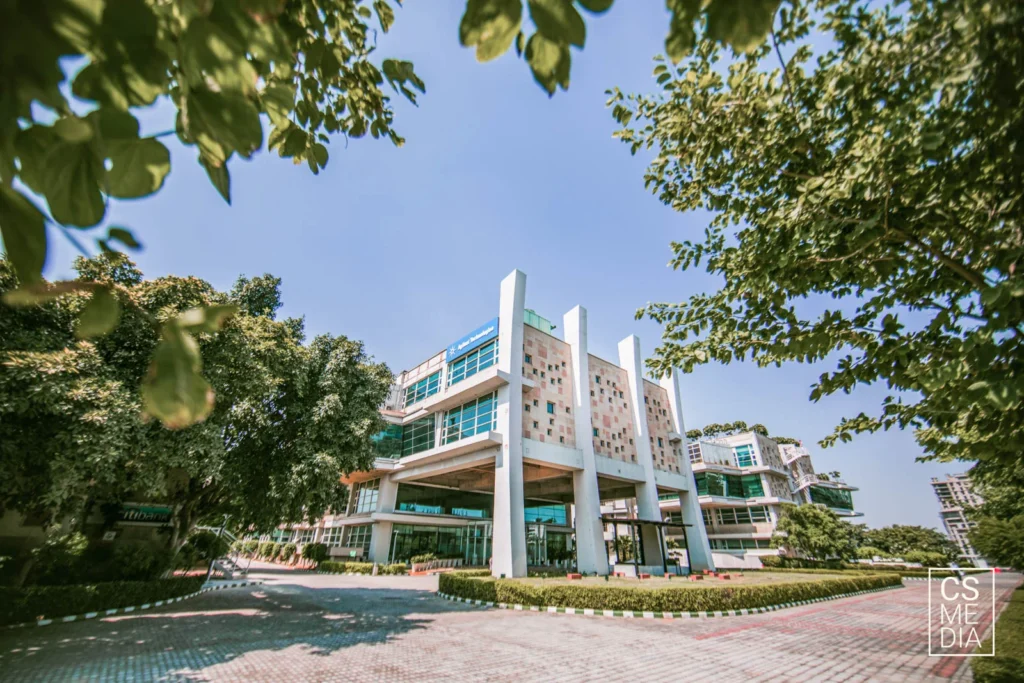
Why Recruitment Needs Campus Tours in Today’s Talent Economy
Recruitment today is no longer constrained by talent availability, it is constrained by talent conviction.
High-potential candidates accept offers, then disengage. Interviews close, yet joining ratios collapse. Employer brands sound impressive online, yet fail to convert belief into commitment. At the center of this breakdown lies a structural issue: the expectation gap.
Why Recruitment Needs Campus Tours is rooted in this gap between what candidates imagine and what they eventually experience. When that gap remains unaddressed, the cost is silent but severe – drop-offs, early attrition, mis-hires, and brand erosion.
Campus tours solve this not by persuasion, but by evidence.
They replace abstract promises with lived context. They allow candidates to validate, not just hear – what working inside an organization truly feels like.
The Core Recruitment Problem: The Expectation Gap
Academic environments, social media narratives, and employer branding campaigns often create an inflated or incomplete picture of corporate life. Candidates arrive with expectations shaped by pitch decks, career pages, and polished interview conversations.
Reality, however, is lived on the floor.
This mismatch directly impacts outcomes:
- Candidates accept offers emotionally, but withdraw rationally.
- Joining ratios fall because intent was never grounded in reality.
- Early attrition rises because “this wasn’t what I expected” surfaces too late.
Campus tours act as a Realistic Job Preview, allowing candidates to self-calibrate expectations before the decision is irreversible.
This single intervention dramatically reduces post-offer uncertainty, because the candidate has already seen the environment they are stepping into.
The Differentiation Crisis: When Every Employer Looks the Same
Top-tier candidates do not compare roles, they compare experiences.
In a digital-first recruitment funnel, most companies look indistinguishable:
- Similar job descriptions
- Similar interview formats
- Similar culture statements
Without a physical or immersive anchor, an employer brand becomes just another logo in a crowded inbox.
Why Recruitment Needs Campus Tours is closely tied to differentiation. A campus tour creates a memory, not just an impression. It builds psychological ownership before Day One.
Once a candidate walks through your workspace – physically or virtually, they stop comparing you on compensation alone. They start comparing belonging.
The Gen Z Reality: Authenticity Is Non-Negotiable
The newest generation of talent evaluates employers through a fundamentally different lens. Salary matters, but culture credibility matters more.
Gen Z candidates question:
- Is this workplace psychologically safe?
- Does leadership feel accessible?
- Is flexibility real or performative?
- Will I grow, or will I plateau?
They are highly resistant to scripted narratives and highly responsive to observable truth.
Campus tours offer exactly that.
By exposing real working floors, real people, and real interactions, tours allow candidates to verify claims independently. This is not employer branding, it is trust infrastructure.
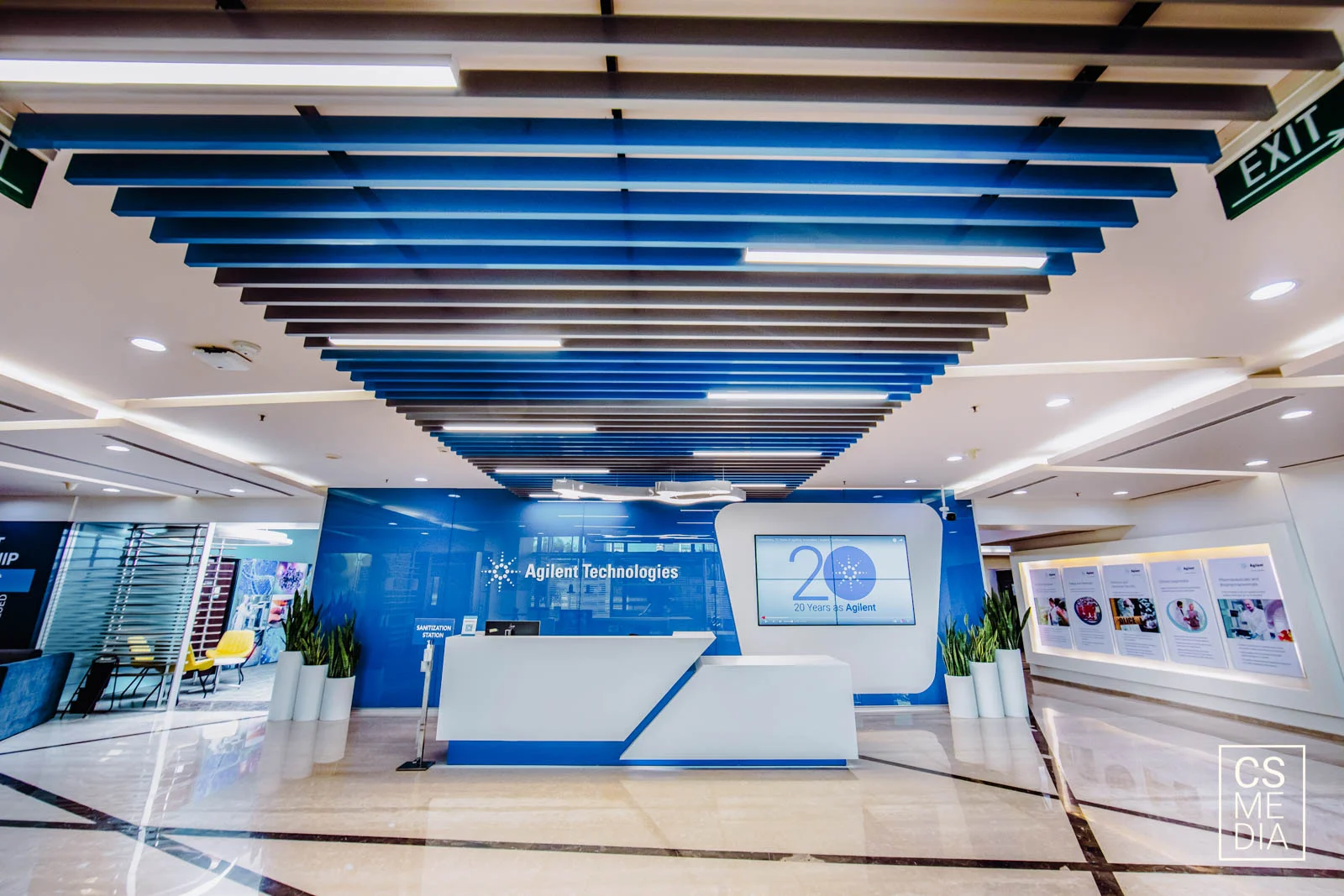
What Modern Campus Tours Must Demonstrate (Not Declare)
A campus tour that focuses only on architecture is outdated. Today’s tours must resolve specific anxieties candidates carry into the decision-making process.
- Psychological Safety: “Is this a toxic environment?”
Candidates look for cues, not claims.
Showing open work floors, peer interactions, and leadership visibility signals safety far more effectively than any policy document. Informal interactions with recent hires humanize the organization and neutralize fear faster than HR presentations ever could. - Burnout Risk: “Will this cost me my health?”
Mental health has moved from a wellness initiative to a decision criterion.
Quiet zones, ergonomic setups, natural light, and decompression spaces communicate long-term care. These visual signals reassure candidates that performance is not extracted at the expense of well-being. - Flexibility Reality: “Do I control how I work?”
Hybrid work is now assumed, not negotiated.
Campus tours that demonstrate collaboration hubs, focus pods, and remote-ready meeting infrastructure prove flexibility is operational—not aspirational. - Purpose & Belonging: “Does this place align with my values?”
Candidates assess inclusivity visually.
Sustainability practices, DEI spaces, community boards, and employee initiatives provide tangible proof that values are embedded, not performative. - Growth Visibility: “Who will I become here?”
Career anxiety is real.
Training centers, innovation labs, and experimentation spaces allow candidates to visualize their future selves—reducing fear of stagnation and increasing long-term commitment.
How Industry Leaders Use Campus Tours as a Strategic Weapon
Few organizations understand this better than Google.
Google reframed campus tours from real-estate walkthroughs into psychological experiences.
Their tours deliberately address candidate fears:
- Open seating breaks hierarchy anxiety
- Casual collision spaces encourage idea flow
- Wellness and life-integration facilities counter burnout
- Maker labs signal creativity over rigidity
- ERG spaces make belonging visible
Most importantly, Google extended this experience globally using immersive and virtual formats, ensuring geography never dilutes culture.
The outcome is not just attraction, but emotional pre-commitment.
They do not sell jobs. They sell community.
The Strategic Evolution: Campus Tours as a 360° Recruitment Asset
A modern campus tour is no longer an event, it is a reusable, scalable recruitment asset.
Impact & ROI
- Improved retention through self-selection
- Reduced cost-per-hire by filtering mismatch early
- Stronger offer-to-join ratios
- Higher candidate confidence and alignment
Who Uses It, and When
- Candidates evaluating relocation
- Parents influencing early-career decisions
- Passive candidates seeking validation
- Offer-stage candidates finalizing commitment
Tours influence decisions across the entire recruitment lifecycle, not just attraction.
Distribution Strategy: Where Campus Tours Create Maximum Leverage
- Career pages for discovery
- Recruiter emails during consideration
- Offer letters for emotional closure
- Social platforms for cultural storytelling
- Career fairs using VR for instant immersion
One well-executed tour can generate months of recruitment content without dilution.
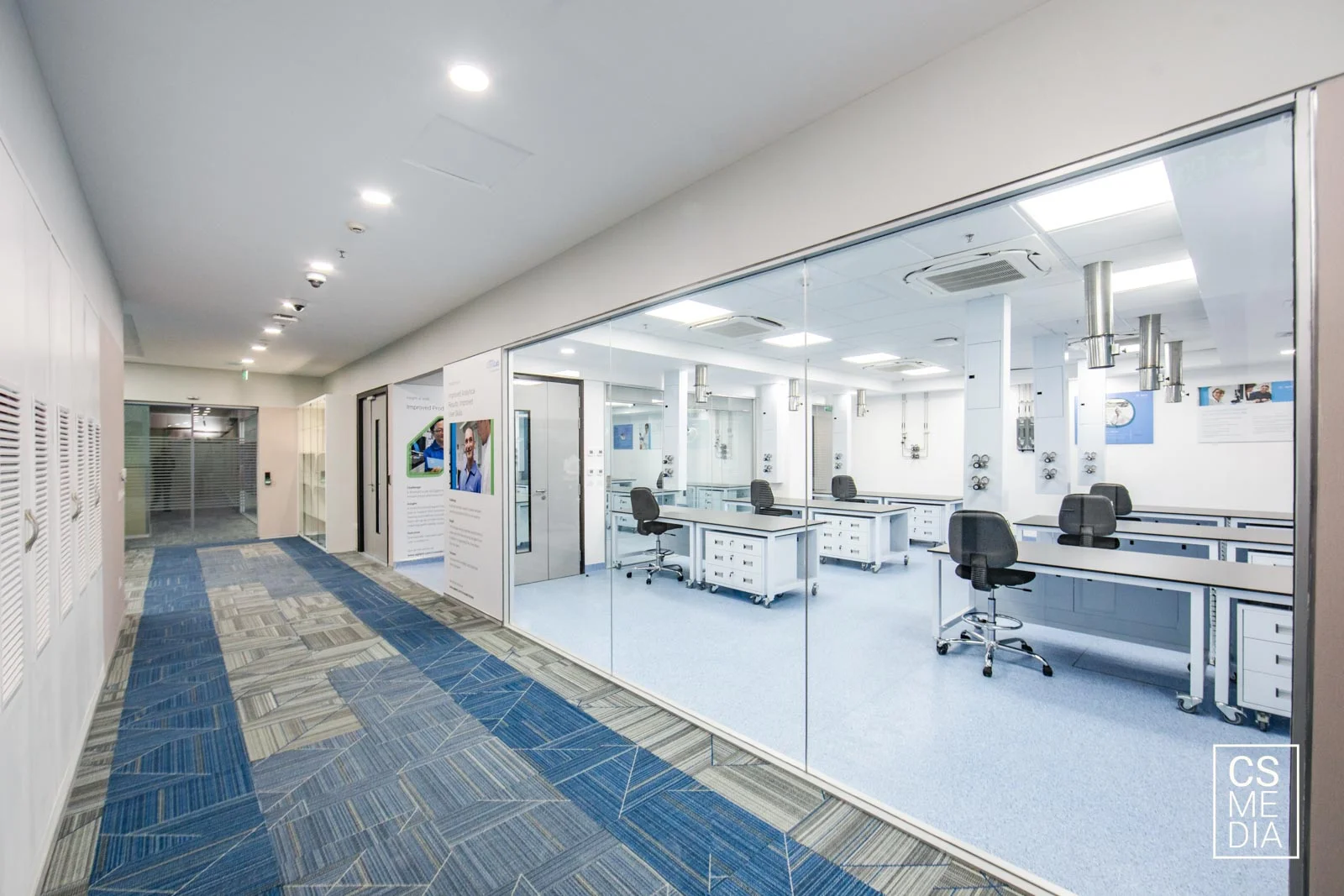
Why Recruitment Needs Campus Tours More Than Ever
Because recruitment today is not failing due to lack of opportunity, it is failing due to lack of belief.
Candidates do not leave because the job was wrong.
They leave because the reality was unclear.
Campus tours eliminate ambiguity.
They allow organizations to be chosen, not just applied to.
The Leadership Moment: When Recruitment Becomes a Strategic Choice
At this stage, the question is no longer whether campus tours work – the data, behavior shifts, and real-world outcomes already answer that.
The real question for leadership is timing and intent.
Every hiring decision carries two hidden costs: the cost of a wrong fit, and the cost of delayed conviction. When candidates struggle to visualize themselves inside your organization, recruitment turns into negotiation. When they can see the environment, culture, and growth path clearly, recruitment turns into alignment.
This is why the most future-ready organizations treat campus tours as part of their decision architecture, not their marketing mix. They use them to pre-qualify belief, filter misalignment early, and ensure that every accepted offer is backed by clarity, not assumption.
For CEOs, CMOs, and founders, this is not about aesthetics. It is about reducing hiring volatility, protecting employer reputation, and building teams that stay because they chose with full awareness.
Where This Translates into Action with CandidShutters Media
Understanding why recruitment needs campus tours is the first step. Executing them with strategic intent is where impact is created.
At CandidShutters Media, campus tours are not approached as visual walkthroughs. They are designed as recruitment assets, built to communicate culture, psychological safety, leadership accessibility, and growth potential with precision and credibility.
For organizations serious about attracting talent that commits – not just joins – this becomes a defining advantage. A well-crafted campus tour does not convince candidates to say yes; it gives them enough clarity to choose you confidently.
If your leadership team is evaluating how to strengthen offer-to-join ratios, reduce early attrition, and position your workplace as a credible long-term environment, this is where Why Recruitment Needs Campus Tours turns from insight into execution.
The decision, ultimately, is not about producing a tour.
It is about deciding what kind of candidates you want walking into your organization on Day One, and how clearly you want them to understand the environment they are choosing.
CandidShutters Media helps leadership teams make that clarity visible.
FAQ's
1. Why are campus tours becoming important in recruitment today?
Campus tours help companies connect with talent early before they even enter the job market. They create a real, on-ground brand experience that builds trust and familiarity, which directly improves candidate interest and long-term hiring outcomes.
2. How do campus tours improve employer branding for companies?
Campus tours bring your work culture to life instead of just talking about it. When students experience your workspace, people, and environment, your employer brand becomes more relatable and memorable making you a preferred choice during placements.
3. What is the role of campus tours in attracting Gen Z talent?
Gen Z candidates look for authenticity, culture, and real experiences, not just job descriptions. Campus tours give them a behind-the-scenes view of your company, helping them emotionally connect and visualize themselves working with you.
4. Do campus tours actually impact hiring conversions and acceptance rates?
Yes, they do. When candidates already feel familiar with your brand and environment, they are more confident in accepting offers. Early engagement through campus experiences increases both conversion rates and retention of fresh hires.
5. Are campus tours relevant only for large companies or also for growing brands?
Campus tours are equally powerful for growing brands. In fact, they help smaller or emerging companies stand out by showcasing culture, vision, and growth opportunities – something students actively look for beyond just big brand names.
Last updated on June 15th, 2026 at 02:13 pm

CandidShutters Media
Corporate Photography & Video Production Agency · Mumbai & Gurgaon · Est. 2012 · 14+ Years
International : Dubai · Sri Lanka · Malaysia · Thailand · Maldives · Worldwide